AI Slop vs Original: How to Make Generated Shorts Feel Authored
AI slop is a quality verdict, not a ban on AI. Here's why generated Shorts get low reach, where YouTube's policy line sits, and the audit that makes videos feel authored.
In this article
AI slop is low-effort, mass-produced AI content that adds no original value. It's a quality perception, not a ban on AI. AI-generated Shorts get low reach mostly because they look repetitive and unedited, which viewers and platform systems both treat as low value. Using AI isn't the trigger. Sameness is.
If you already make Shorts or Reels with AI and worry your output will be ignored or flagged, this is the practical version: what the word means, what the policy actually targets, and an audit you can run before every upload.
Key takeaways
- AI slop is a viewer's verdict on repetitive, low-effort AI content. It isn't an official YouTube term, and it isn't a rule against using AI.
- Low reach usually comes from weak viewer signals (swipe-aways, poor completion rate) on videos that look interchangeable. The exact ranking weights aren't public.
- Sameness has three causes: repeated templates, generic scripts and unedited first-pass output. Each has a concrete fix.
- YouTube's inauthentic content policy (mass-produced, repetitious content) is about missing original value. AI disclosure labels are a separate requirement.
- Run a 7-point pre-publish audit and a 10-video batch test. This reduces risk and improves quality. It guarantees neither reach nor monetization.
What 'AI slop' actually means on YouTube Shorts
"AI slop" is a label viewers invented for AI content that feels cheap, repetitive and made without care, and it appears nowhere in YouTube's policy text. It came from comment sections, Reddit threads and headlines, and it stuck because everyone recognizes the feeling within a second of swiping.
Slop is a quality judgment, not a format ban
Slop describes the result, not the method. A Short built from AI-generated scenes, an AI voiceover and a real point of view isn't slop. A phone clip with a recycled caption and no idea behind it can be.
Viewers don't check your toolchain. They check whether anyone cared. And that's the standard your videos get judged against, whether the judge is a person or a recommendation system reacting to what people do.
Examples of AI slop in Shorts feeds
Here's what people usually point to:
- Synthetic animal "rescue" clips that share one voice, one cut pattern and one emotional beat, uploaded dozens of times.
- "Did you know?" videos with stock-looking AI images, a slow zoom and flat text-to-speech reading a script nobody checked.
- Surreal or "beautiful" clips where fifty uploads differ by one noun in the title.
- Invented stories presented as real, with no source and no consequence.
The scale is real. Kapwing's analysis, covered by the Guardian, found that roughly one in five Shorts shown to a brand-new account (104 of 500) was AI slop. That's one test, one snapshot, not a platform-wide measurement. But it explains the trend: feeds on YouTube Shorts, TikTok and Instagram Reels now contain enough of this material that viewers swipe on pattern recognition alone.
Why AI-generated video gets low reach
AI-generated video gets low reach because viewers leave early and the content looks interchangeable, which gives recommendation systems little reason to keep showing it. The AI part is incidental. The behavior it produces is what counts.
Viewer signals: swipe-away and completion
On Shorts, the first seconds decide everything. A hook like "Have you ever wondered…" is a swipe signal now, because viewers have heard it a thousand times. Low completion rate (the share of viewers who watch to the end) and short watch time tell the system the video didn't earn attention.
We've seen pages post forty near-identical clips and wonder why none moved. The clips weren't broken. They were forgettable, which is worse.
Sameness across a feed makes videos interchangeable
When thirty videos in a row share the same voice, visuals and structure, none of them wins. Each competes with its own clones, and viewers learn the shape of the format and skip it before the first sentence ends.
This is why the same video can do fine on a fresh channel and die on a channel that has uploaded fifty copies of its pattern. It's also why slop looks identical on TikTok, Reels and Shorts: the pattern is portable, so the penalty is too.
What platforms say and what they don't disclose
Platforms publish rules about monetization, originality and disclosure. They don't publish ranking weights. Anyone selling you a precise formula for "how the algorithm treats AI video" is guessing.
Also, low reach has other causes: niche demand, weak packaging, posting schedule, an audience that doesn't match the topic. Diagnose before you blame the tool.
The three causes of sameness
Generated Shorts feel the same because of three habits: repeated templates, generic scripts and shipping the first output. Fix those and most of the "slop" feeling goes with them.
Repeated templates with only the topic swapped
The pattern: five scenes, same hook formula, same ending, new subject each day. By video 20 the viewer has seen it. The fix is to keep the production setup but change the story shape. Open on the outcome in one video, a question in the next, a mid-scene cut in a third. Let length follow the story, somewhere between 20 and 55 seconds, instead of padding everything to the same runtime.
Generic scripts and stock-sounding narration
"In a world where…" and "You won't believe what happened next" could open any video ever made, which is exactly the problem. Write one concrete detail every 10 seconds or so: a number, a name, a place, a reversal. Read the script aloud and cut every sentence that would fit in a different video. If you use an AI voiceover, set the pace and pauses on purpose instead of accepting the default read.
Unedited first-pass output
Shipping the first render is the loudest slop signal. Typical leftovers: a caption that misspells a name, a scene that contradicts the narration, a dead second at the start, a warped hand nobody noticed. The fix costs about 3 minutes: watch the whole video with sound on, correct the captions, trim the opening, and replace the single weakest scene.
| Cause | What the viewer sees | The fix |
|---|---|---|
| Repeated template | Same hook and ending every day | Change story shape and length per video |
| Generic script | Lines that fit any topic | One checked, specific detail per 10 seconds |
| Unedited output | Typos, artifacts, dead openings | A full human watch and one scene replaced |
Is AI slop allowed on YouTube? Where the policy line sits
AI slop isn't a policy category, but YouTube's monetization rules exclude mass-produced and inauthentic content, and that overlaps heavily with what people call slop. You can usually upload it. Earning from it through the YouTube Partner Program is where the line gets enforced.
Mass-produced and repetitious content in plain words
In July 2025 YouTube renamed its "repetitious content" policy to "inauthentic content," widely reported as a clarification of existing rules, not a new ban. The YouTube Partner Program policies describe content that is mass-produced or repetitive, made from a template with little variation.
The practical test is original value added. Did you contribute a narrative, commentary, a distinct edit or real footage? Or did you press generate and repeat? Policies change, so read the current page before you rely on this summary.
AI disclosure is separate from originality
YouTube asks creators to disclose realistic altered or synthetic content, and the help page on disclosing altered or synthetic content explains when. Ticking that box doesn't make a video original. And not needing it doesn't make a video safe.
Disclosure is about honesty with viewers. Originality is about value. TikTok, Instagram Reels and Facebook Reels each have their own labeling tools too, so check each platform's current rules.
What the rules do not promise
No rule says "AI is fine if you follow these five steps." YouTube and Meta decide eligibility, including for Facebook content monetization, which has its own originality requirements. Nothing here promises reach or approval. The goal is to lower the odds of a bad outcome and make videos worth watching.
Original touches that make generated Shorts feel authored
Generated Shorts feel authored when a person made visible decisions about angle, edit, voice and facts. Four touches carry most of the weight.
A specific angle or point of view per video
"Why this ramen shop in Osaka still charges 1998 prices" is an angle. "Amazing street food" is a category. Before you generate anything, write the video's claim in one sentence. If the sentence would fit your last three uploads, you have a topic, not an angle.
Editing choices: pacing, cuts, caption style, music
Edits are authorship you can see. Cut on a beat, hold a pause before a reveal, drop the music for one line. Pick one animated captions style and keep it, with the key word emphasized. Default settings everywhere read as default everywhere.
A consistent voice and narrator identity
Choose a narrator voice and a way of speaking, then keep it. Maybe dry and short-sentenced, maybe warm and curious. With AI voiceover, consistency across a channel does more than picking the "best" voice. Viewers remember how a channel sounds.
Human facts, sources or footage you add
This is the touch AI can't fake. Add a date you verified, a number from a primary source, a quote you can trace, or footage you shot or have permission to use. If you clip longer videos with an AI clipper such as WowReveal AI Clipper, use your own footage or content you're licensed to use, and add your own framing on top. Reposting other people's videos without permission isn't an originality strategy.
An authorship audit to run before you publish
An authorship audit is a short, repeatable check that turns "make it original" into edits you can actually perform. It takes about 5 minutes per video once it's a habit.
A 7-point pre-publish checklist
- Angle: Can you state the video's point in one sentence that wouldn't fit your last three uploads?
- Hook: Does the first line contain a specific detail instead of a formula?
- Fact: Is there at least one number, name or date you personally checked?
- Watch-through: Did a human watch the full video with sound on?
- Captions: Are they accurate and styled the way your channel always styles them?
- Edit: Is there at least one cut, pause or music change that responds to the story?
- Label: If the video shows realistic synthetic scenes, is disclosure set on the platform?
Fail two or more, and the video goes back for edits.
The batch test: compare 10 videos side by side
Take your last 10 uploads, or the next 10 in the queue. Play the first 3 seconds of each back to back with sound on. If you can't tell which is which, they're interchangeable.
Then compare five things: hook line, voice, first frame, length and ending. Any video that matches its neighbors on three of five gets reworked before it goes out. It's a rough test, not a measurement, but we've found it catches sameness faster than any dashboard.
Keeping quality consistent when you post at volume
Posting daily without sliding into slop takes a human review pass and deliberate variation in structure, hook, voice and visuals. Volume is fine. Identical volume isn't.
Vary structure, not just topic
Changing the subject while the skeleton stays fixed is the classic mass-production signature. Alternate between story arcs: reveal-first, build-up, before-and-after, a single-question format. If three videos in a week share a skeleton, rebuild one.
Templates as a framework, not a copy machine
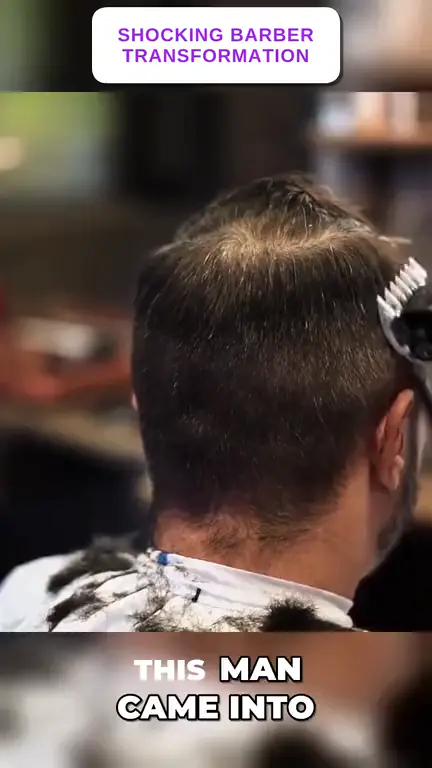
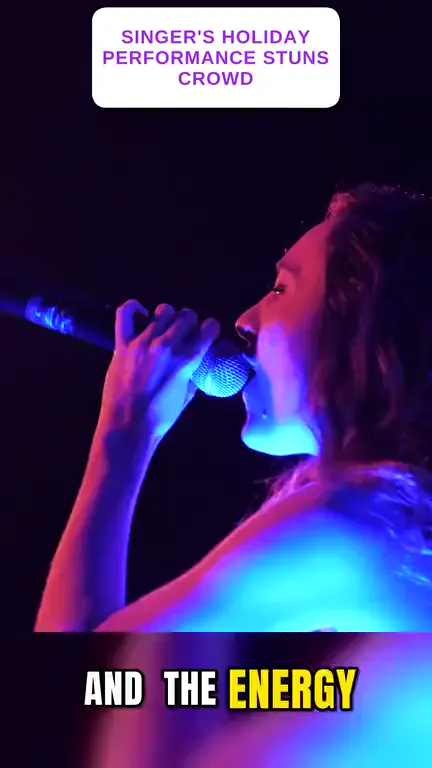
A template should fix the boring parts: 9:16 layout, caption position, safe zones, pacing guides. It shouldn't fix the story. Niche templates, like the ones WowReveal offers for talent shows, haircut transformations or street food, give you a starting layout. The script, the angle and the review pass still have to be yours.
Rotating hooks, voices and visual styles
Keep three hook types in rotation. Use two or three narrator voices for different series instead of one for everything. Alternate visual treatments within a channel's look. And be honest about tools: no generator, ours included, makes a video authored on its own. The useful part is that rendering takes less time, which leaves room for the review pass.
What to do if a channel is already labeled as slop
A channel labeled as slop recovers by auditing recent uploads, cutting the weakest and rebuilding one format with real variation, not by deleting everything in a panic. Expect weeks, not days, and no guarantee.
Audit the last 20 videos
Put 20 recent videos in a sheet with columns for angle, hook, voice, completion rate and swipe-away rate. Sort by retention. Look at what your best three share, and at what your worst ten have in common. Reddit threads full of "my channel got flagged" stories are anecdotes. Your own numbers are the evidence.
Cut low-value uploads and rebuild the format
Take down or unlist clones that add nothing, especially batches that differ by one word. Then relaunch with one improved series: stronger angle, a single voice, consistent captions, a human review before every upload. Removal alone fixes nothing, and no one can promise how a platform will respond.
When to appeal a monetization decision
If YouTube declines or removes monetization for inauthentic or mass-produced content, read the notice and fix what it describes first. Then reapply or appeal through the process in YouTube's help pages. Resubmitting the same content unchanged wastes a review. Outcomes aren't guaranteed, and the decision belongs to YouTube.
Frequently asked questions
What is an example of AI slop?
A typical example is a batch of Shorts built from the same template: stock-looking AI images, a flat synthetic voice, a generic "Did you know?" script and no checked facts, with only the topic changed. The giveaway is sameness and lack of effort, not the use of AI.
Is AI slop allowed on YouTube?
Slop isn't an official policy term, so you can often upload it. But YouTube's monetization rules cover mass-produced and inauthentic content, so channels that rely on repetitive, low-value uploads risk losing YouTube Partner Program eligibility. Check the current policy text, since it can change.
Why does AI-generated video get low reach?
Mostly because viewers swipe away early and finish few videos, and because many generated videos look interchangeable. The exact algorithm weighting isn't public, so treat any precise formula with suspicion and test your own retention data.
Does adding an AI label make my Short original?
No. Disclosing realistic synthetic content is a separate requirement from originality. A label doesn't add value to a video and doesn't protect it from being judged low quality.
Can I still make money with AI-generated Shorts?
It's possible but never guaranteed. Platforms decide eligibility, and videos with a clear angle, real edits, a consistent voice and added human value are in a far better position than batches of clones.
Where to go next
- What Is Reused Content on YouTube? Meaning, Examples and What Counts as Original — Understand the originality side of the policy line before you audit your videos.
- Can You Monetize AI-Made or Faceless Shorts on YouTube? — Get a direct answer on monetization if your channel is AI-assisted.
- How to Label AI-Generated Content on Reels, Shorts and TikTok — Set disclosure correctly, since it's separate from originality.
- AI Narration for Shorts: How to Write, Voice and Sync the Story — Fix the generic script and flat voice that read as slop.
- What Is Completion Rate on Reels and Shorts? — Learn the viewer signal behind most low-reach problems.
- What Is Batch Production for Shorts? Definition and Examples — Keep quality up when you produce in volume.
- Are Faceless Channels Allowed to Monetize? What the Platforms Actually Check — See the wider policy context for faceless AI channels.
- Is Making AI Shorts Profitable? Costs, Effort and Realistic Expectations — Set honest expectations about what AI Shorts can earn.
- What Is YouTube's Inauthentic Content Policy?
- Instagram Original Content Rules: What Happens to Reposted Reels
- What Is Video-to-Story AI? A Plain-English Definition
- Text-to-Speech vs AI Voiceover: What Actually Differs for Shorts
Generate your reel right now
Paste a link to any video — WowReveal writes the story, voices it and adds captions, a headline and music. Ready for Reels, Shorts and TikTok.
No link? Upload a file
- 30 free credits
- No card needed
- Voiceover in 9 languages
- Failed jobs refunded