How to Make Shorts with AI: A Step-by-Step Workflow
Yes, AI can make Shorts. Here's the seven-step workflow from idea to 9:16 export, with what AI does, what you must check, and how to stay monetization-safe.
In this article
Yes, AI can make Shorts, and the workflow fits on one line: pick an idea, write the script, add visuals, voiceover and captions, make a cover, then export a 9:16 video with a post kit. You can start from a link, a file or plain text. The tools write, voice and assemble most of it. You make the calls that keep the result original and worth watching.
Key takeaways
- AI can create YouTube Shorts, Facebook Reels, TikTok and Instagram Reels from a pasted link, an uploaded file or a text prompt.
- The seven steps are idea, script, visuals, voiceover, captions, cover and post kit. AI speeds up each one, but a human check belongs at every step.
- One 9:16 render (1080×1920) works on all four platforms, so you don't need four edits.
- Originality is the monetization risk. Add your own story, voice and edits, and never repost someone else's footage unchanged.
- Free credits let you test the workflow without a card, but no tool can promise views, approval or income.
Can AI Create YouTube Shorts? What It Does and Doesn't Do
AI can create a complete YouTube Short, from script to finished vertical video, but it can't decide whether the idea is worth watching. That part is still yours. YouTube's own Shorts help page describes Shorts as vertical, short-form videos, and nothing there bans AI-assisted production. What matters is what the final video is.
What AI handles well
The mechanical work is where AI earns its place. Writing a first-draft script, turning it into a voiceover, syncing animated captions, cutting a long video down to its strongest moments, and resizing everything to 9:16 used to take an evening. Now it takes minutes.
It's also good at repetition. If you post daily, the same structure, the same caption style and the same cover layout every time is a feature, not a flaw.
What still needs a human check
Facts, tone and originality need your eyes. AI will happily write a confident story with a wrong detail in it, or pick a "best moment" that's technically dramatic and emotionally flat.
We've watched pages lose reach for weeks after pushing out batches of near-identical, unreviewed videos. The tool wasn't the problem. Nobody had watched the output before it went live.
Pick Your Input: Paste a Link, Upload a File, or Generate from Text
Your input decides how much control you have and how much rule risk you carry, so choose it before you open any tool. There are three paths, and each fits a different situation.
| Input | Best for | Main risk | Your job |
|---|---|---|---|
| Paste a link | Your own long videos, or content you have permission to use | Using footage you don't own | Confirm rights, add your own story and voice |
| Upload a file | Podcasts, streams, raw footage you filmed or licensed | Clipping without adding anything new | Pick moments, add commentary and captions |
| Generate from text | Faceless concepts, explainers, fictional stories | Generic, less controllable output | Tighten the prompt, review every scene |
Paste a link or upload a file
If you already have a long video, clipping beats creating from scratch. Paste the link or upload the file, and an AI clipper (WowReveal calls its version AI Clipper) scans for the strongest moments and cuts them into vertical clips. This is the fastest route for podcasts, interviews and live streams. It also covers the common search for how to create Shorts from a YouTube video with AI, free or paid.
One rule, stated plainly: only use footage you own or have written permission to use. Clipping your own channel's long video is fine. Pulling someone else's viral clip and re-uploading it isn't, no matter how good the captions look.
Generate from text: text to video vs image to video
Text to video turns a prompt into moving footage in one pass. It's quick and good for a loose concept, but you get less control, and characters or settings can shift from scene to scene.
Image to video starts from a still you've chosen or generated, then animates it. You lock the look first, so consistency is better. For a series with a recurring character or style, we'd pick image to video almost every time. Either way, pair the footage with an AI voiceover and captions, because silent AI clips rarely hold anyone.
The 7-Step AI Shorts Workflow
The workflow is seven steps in a fixed order: idea, script, visuals, voiceover, captions, cover, post kit. Each step below says what AI does and what you check. It's platform-neutral, so it works whether you use WowReveal or stitch tools together yourself.
Step 1: Choose the idea
AI does: suggests trending topics, formats and angles. A trend finder can show what's moving in your niche.
You check: whether you can add something of your own. Ask one question: if someone else posted the same thing, would mine still be different? If not, drop it.
Pick a niche with repeatable structure. Talent shows, animal rescue, satisfying restorations, street food and wholesome kindness all have a clear story shape, which is why niche templates exist for them.
Step 2: Write a script with a hook
AI does: drafts a story in your target length, usually 30 to 60 seconds of spoken text.
You check: the first line. The hook is the opening 1 to 3 seconds that decide whether anyone stays, and it drives retention and watch time. A hook like "Nobody expected what happened next" is generic. "He fixed a 40-year-old radio and found a letter inside" gives a reason to stay.
Cut anything slow. If a sentence doesn't push the story forward, delete it. Short scripts that finish beat long ones that sag.
Step 3: Add visuals
AI does: matches clips to the script, or generates scenes. AI Studio-style tools generate images and video with leading models and viral presets.
You check: that every visual is either footage you have rights to or something you generated. Look for warped hands, flickering faces, text artifacts and scenes that contradict the narration.
Vary the shot every 2 to 4 seconds. A static image for 15 seconds reads as a slideshow, and viewers swipe.
Step 4: Add an AI voiceover
AI does: converts your script to speech using text-to-speech, in the language you pick. WowReveal voices stories in 9 languages, which matters if you run pages for several audiences.
You check: pronunciation of names and places, pacing, and whether it sounds like a person telling a story or a robot reading a list. Break long sentences. Add a pause before the reveal. A generic flat voice is one of the fastest ways to look low-effort.
Step 5: Add animated captions
AI does: transcribes the voiceover and times animated captions to the speech, word by word.
You check: spelling, line breaks and placement. Many people watch with sound off, so captions often carry the video. Keep them inside the safe area, away from the bottom 15% or so where platform buttons and descriptions sit. Highlight the key word, not every word.
Step 6: Make the cover
AI does: generates a cover and headline from the story.
You check: legibility at thumbnail size, and that the cover doesn't promise something the video doesn't deliver. A cover maker saves time here, and a clean, consistent style across posts helps a page look like a brand. On Facebook, where the grid and the Reels tab both show covers, this step is worth the 30 seconds.
Step 7: Build the post kit
AI does: writes a title, description and hashtags, the post kit.
You check: that the title matches the video and the description isn't keyword stuffing. Three to five relevant hashtags beat a wall of 30. Rewrite one line in your own voice so every post isn't phrased the same way.
Export Settings: 9:16 for Reels, Shorts and TikTok
Export at 9:16, 1080×1920, and the same file works on Facebook Reels, YouTube Shorts, TikTok and Instagram Reels. You don't need separate versions per platform. You do need to respect safe zones, because each app overlays its own buttons.
For length, aim for 30 to 60 seconds for story-driven shorts. Platform maximums have grown and changed over time, so check each platform's current help page before relying on a longer format. Longer is only better if people watch to the end, and most daily-posting pages do better with tight videos.
Before you upload, check three things: no black bars, captions not clipped, and audio levels consistent. Then post natively through each app or Meta Business Suite, not by uploading a file with another platform's watermark burned in. Watermarked reposts are often deprioritized.
How Long It Takes and What Free Credits Cover
Expect roughly 5 to 15 minutes per short once you have a routine, and closer to 20 to 30 minutes while you're learning. That's an estimate, not a benchmark. It depends on the input path, how much you review, and how fussy you are about the script.
Link or file clipping is usually the quickest. Generating from text takes longer, because you review more scenes and often regenerate a few.
On cost: WowReveal gives free credits to start without a card, so you can run a few shorts end to end before paying anything. Paid options are monthly plans and one-time credit packs. Failed jobs are refunded automatically, which matters when a render crashes mid-way.
If you're searching for a free AI shorts video generator or a YouTube Shorts maker with free AI, here's the honest picture. Free tiers are fine for testing the workflow and judging quality. Daily posting across several pages usually outgrows them, so check what a tool limits (length, watermarks, export quality) before you build a routine around it.
Keep It Original and Monetization-Safe
AI-made Shorts can be monetized, but only if they're original and meet each platform's program rules, and no tool can guarantee approval. Meta, YouTube and TikTok decide eligibility, and their rules change, so read the current versions.
For YouTube, the YouTube Partner Program overview explains eligibility and what's required. For Facebook, Facebook content monetization has its own originality and eligibility requirements inside Meta's creator tools.
What original means in practice:
- Your own story and script, not a paraphrase of someone else's video
- Your own voice choice and pacing, not a default untouched read
- Edits that add something: commentary, context, a new angle, a real reason the clip exists
- Footage you own, license or have permission to use
What doesn't count: reposting others' footage unchanged, slapping a caption on a viral clip, or trying to dodge Content ID with filters or mirroring. That last one is a trick we'd never recommend, and it tends to end badly.
So is making AI Shorts profitable? Sometimes, for some pages, after a lot of volume and testing. Nobody can promise it. Views-to-earnings varies by platform, region, audience and RPM (revenue per 1,000 views). Treat any income as an estimate, and use a calculator rather than a rule of thumb.
Common AI Video Mistakes for Reels and Shorts
Most failed AI shorts fail for the same three reasons: reused content, a generic voiceover, and no hook. Each has a simple fix.
- Reused content. Posting someone else's clip with new captions. Fix: use your own or licensed footage, and add a real story or commentary of your own.
- Generic voiceover. Default voice, no pauses, mispronounced names. Fix: rewrite for speech, add pauses before reveals, and listen to the whole thing once.
- No hook in the first seconds. Opening with a logo or a slow intro. Fix: start on the most surprising moment or line, then explain.
- Unreviewed AI visuals. Warped hands, drifting faces, text glitches. Fix: scrub the render at normal speed and regenerate the bad scene.
- Batch sameness. Fifty posts with identical phrasing. Fix: vary hooks, openings and descriptions, even when the format is the same.
The one we see most is the first. It feels efficient and it's the quickest way to cap your reach.
Pre-Publish Checklist
Run this in under two minutes before every post, on phone or PC. The same checks apply whether you edit in a browser on a laptop or finish on your phone.
- Do I have the rights to every clip, image and music track?
- Is the hook in the first 1 to 3 seconds?
- Does the voiceover pronounce names correctly, with natural pauses?
- Are captions accurate and inside the safe area?
- Is it 9:16, 1080×1920, with no black bars or leftover watermarks?
- Does the cover match what the video delivers?
- Is the title honest, and is the description in my own words?
- Have I watched the full render once with sound on?
If any answer is no, fix it first. Two minutes now beats a strike or a dead post later.
Scaling to Daily Posting
Going from one short to many a day is a systems problem, not a creativity problem: fix a template, batch your ideas, and review in blocks. Pick one niche format, keep one brand kit (fonts, colors, caption style), and generate the week's scripts in a single sitting.
Then batch the steps. Do all scripts, then all voiceovers, then all covers. Switching tasks per video is what eats the hours.
Agencies running many pages benefit most from automation. An API or MCP server lets an AI agent trigger renders from a content calendar, but a human should still approve each video before it goes live.
And the money question people keep asking: how many views to reach $10,000 on YouTube Shorts? There's no honest single number. As pure arithmetic, earnings equal views divided by 1,000, multiplied by your RPM. At a hypothetical RPM of $0.10, that's 100 million views, but your RPM could be far higher or lower. Check your own analytics, and use a free earnings calculator for Facebook to sanity-check expectations rather than trusting someone's screenshot.
Frequently asked questions
Can AI create YouTube Shorts?
Yes. AI can write the script, generate or select visuals, add an AI voiceover and animated captions, and export a 9:16 video ready for YouTube Shorts. You still need to review it for accuracy and originality, and monetization depends on YouTube's Partner Program rules.
How can I make shorts with AI for free?
Use a tool with free starting credits, such as WowReveal, which lets you start without a card. Free credits are enough to test the full workflow on a few shorts. Check any free tier for limits on length, watermarks and export quality before you build a daily routine on it.
Is making AI Shorts profitable?
It can be for some pages, but nobody can promise it. Income depends on originality, audience, platform eligibility and RPM. Treat any earnings as estimates, and use a calculator instead of a fixed formula.
How many views do you need on YouTube Shorts to make $10,000?
There's no fixed number, because RPM varies by audience, region and content. The math is views divided by 1,000, times your RPM. Your own analytics are the only reliable guide.
What's better, text to video or image to video?
Text to video is faster for quick concepts, but you control less and scenes can drift. Image to video gives more consistency because you set the look first, so it suits series and recurring characters. Pair either with a voiceover and captions.
Where to go next
- AI Short Video Creation for Reels and Shorts: The Complete Guide — the broader pillar this workflow sits inside.
- How to Turn a YouTube Video into Shorts (Step by Step) — the link and file input path in more detail.
- AI Stream Clipper: How to Turn Podcasts and Streams into Shorts — best-moment clipping for long recordings.
- Faceless Shorts with AI: How to Make Them Step by Step — the no-camera format, covered deeper.
- AI Video Generator for Shorts: When to Use Images, When to Use Video — expands the text to video vs image to video choice.
- How to Add AI Voiceover to Reels, Step by Step — expands step 4 of the workflow.
- How to Make a Reel Cover That Gets Taps (Cover Maker Guide) — expands step 6 of the workflow.
- Can You Monetize AI-Made or Faceless Shorts on YouTube? — the rules behind the safety section.
- Faceless Shorts Generator: Free vs Paid (What You Really Get) — what changes when you outgrow free credits.
- Can ChatGPT Make an AI Video? What It Can and Can't Do — where a general chatbot fits in the workflow.
- How Many Views Do You Need to Make $100 on YouTube Shorts? — the views-to-earnings question, worked through.
- How to Make Money on Facebook Reels: A Step-by-Step Path From New Page to Earning Page — the next step once your shorts are shipping.
Generate your reel right now
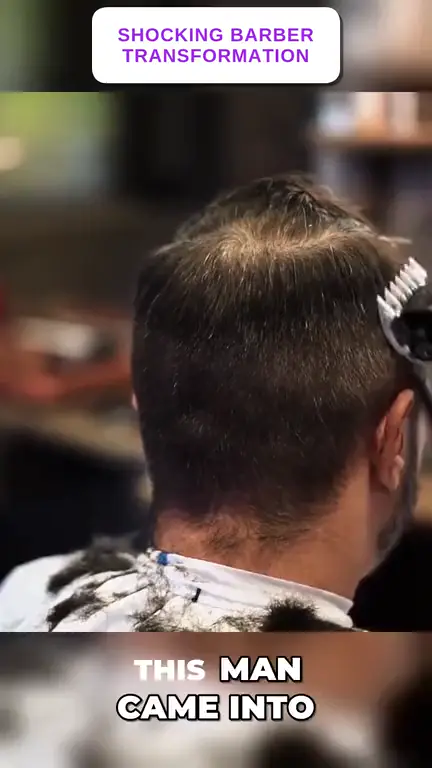
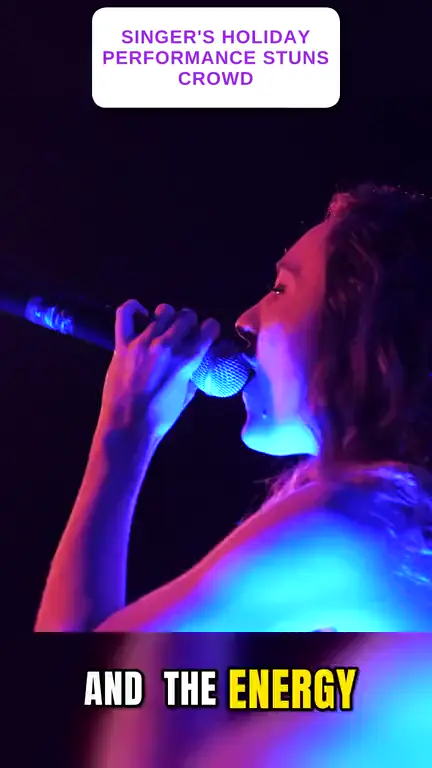
Paste a link to any video — WowReveal writes the story, voices it and adds captions, a headline and music. Ready for Reels, Shorts and TikTok.
No link? Upload a file
- 30 free credits
- No card needed
- Voiceover in 9 languages
- Failed jobs refunded