Text-to-Speech vs AI Voiceover: What Actually Differs for Shorts
Text-to-speech is the engine, AI voiceover is the finished narration. Here's what that means for quality, cost and monetization on Reels and Shorts, and which to pick.
In this article
Text-to-speech (TTS) is the core technology that converts written text into spoken audio, while AI voiceover is the finished narration workflow built on modern neural voices: natural pacing, emotion, multiple languages, all synced to your video. In the text to speech vs AI voiceover question, the difference for monetized Shorts and Reels shows up in quality, cost and workflow. Platforms judge the originality of the video, not the type of voice.
Our verdict: use basic TTS for drafts and quick text-overlay reads. Use an AI voiceover workflow when you post story-driven Reels and Shorts daily and retention is what pays you.
Key takeaways
- TTS is the technology (text in, speech out). AI voiceover is a production workflow that uses neural TTS plus script, pacing, language and video sync.
- Most "AI voices" are neural TTS, so the label fight on Reddit is mostly semantic. The practical gap is quality and workflow, not vocabulary.
- Basic built-in TTS is free but flat, capped and unclear on commercial use. Credit-based AI voiceover costs money but saves editing time.
- Platforms don't ban a voice type. They check whether your video adds original value or is repetitive, low-effort or reused.
- Basic TTS is fine for drafts. AI voiceover earns its cost on daily story content and multi-language pages.
Text-to-Speech vs AI Voiceover: The Core Difference in Plain Words
Text-to-speech turns text into audio, and AI voiceover is what you get when that audio is produced, paced and fitted to a video as part of a repeatable workflow. One is a component. The other is a deliverable.
Think of it like a camera sensor versus a finished photo edit. Every AI voiceover tool uses some form of TTS underneath. Not every TTS use gives you something you'd put on a monetized page.
Is text-to-speech AI?
Modern text-to-speech is AI, and older TTS wasn't. Early systems stitched together recorded sound fragments or followed hand-written rules, which is why they sounded like a GPS from 2008. Neural TTS uses trained models to predict how speech should sound, and that's the kind described on the Google Cloud Text-to-Speech page, with natural-sounding voices across many languages.
So when someone asks whether TTS is AI, the honest answer is: the new kind is, the old kind isn't, and both are still called "text-to-speech." Is it harmful? Not by itself. The harm comes from how it's used: impersonating real people, deceptive content, or flooding a page with low-effort clips.
TTS vs AI voice clone vs generative AI
These three terms get mixed up constantly, so here they are side by side.
- Standard TTS or AI voiceover: stock synthetic voices reading your script. No real person's voice is being copied.
- AI voice clone: a model trained to replicate a specific person's voice. It needs that person's consent, and it's a different category with different risks.
- Generative AI: the broad family of models that produce new content, including text, images, video and speech. Neural TTS is a generative model for audio, but "generative AI" more often means a script or video generator.
If you're narrating stories with a stock voice, you're in the first bucket. You don't need cloning, and you should be careful with anything that mimics a real person.
Side-by-Side Comparison Table
Basic TTS wins on price and speed to first sound. AI voiceover wins on quality, language coverage and everything that happens after the audio exists.
| Criterion | Basic TTS (built-in or free reader) | AI voiceover (neural voices in a video workflow) |
|---|---|---|
| What it does | Reads text aloud | Writes or takes a script, voices it, syncs it to the video |
| Input | Pasted or typed text | Script, or a video or link that becomes a story |
| Output | An audio file or in-app voice | Narration timed to a finished 9:16 video |
| Pricing model | Usually free, often with caps | Free credits, monthly plans or one-time packs; terms vary by tool |
| Voice quality | Flat, uniform intonation | Varied intonation, better storytelling, still imperfect |
| Languages | Limited or inconsistent accents | Often broad; WowReveal covers 9 languages |
| Control and sync | Manual timing in an editor | Pacing and timing tied to captions and cuts |
| Policy risk | Depends on the video, not the voice | Depends on the video, not the voice |
| Best for | Drafts, quick text-overlay reads | Daily story Reels and Shorts on monetized pages |
Voice Quality: Naturalness, Pacing and Emotion
Neural AI voices sound more natural than basic TTS, and viewers notice within the first 2 seconds. That matters because Reels and Shorts live or die on the opening hook and on retention, the share of the video people actually watch.
Why basic TTS sounds robotic
Basic TTS reads every sentence with the same rhythm. It doesn't know a question from a punchline, so a dramatic reveal comes out in the same tone as a caption about a recipe.
It also fumbles names, numbers and mixed-language words. And it rarely handles pauses well, which is the thing story narration depends on most. A flat voice reads as low effort, and viewers swipe on low effort.
What modern AI voices handle better
Neural voices vary pitch, speed and emphasis within a sentence. They breathe in the right places, lift at questions and slow down on key words. That's what makes a rescue story feel like a story instead of a list.
They're not perfect. Unusual names, slang, and emotional extremes (real grief, real laughter) can still sound off. We always listen to the full audio once before publishing, because one mispronounced name can sink an otherwise good video.
A 30-second story test you can run yourself
Take one script of about 75 to 85 words, which is roughly 30 seconds at a natural pace. Pick a story with a turn in it: setup, a surprise, a payoff.
- Render it with your phone or browser TTS.
- Render the same script with a neural AI voice.
- Put both on the same 9:16 clip with captions.
- Watch each one on your phone, with sound, as a viewer would.
- Note where you'd swipe away.
Most people drop the basic TTS version around the first sentence break, because nothing in the voice signals that something is about to happen. That's your retention answer, and it costs you 10 minutes.
Winner on quality: AI voiceover, clearly.
Cost and Limits: Free TTS vs Credit-Based AI Voiceover
Free TTS costs nothing in money and a lot in time, while credit-based AI voiceover costs money and saves time. Which one is cheaper depends on how many videos you post and how much your editing hour is worth.
Where free TTS runs out
Free TTS tools usually run out in four places. The voice list is short. Character limits cut off longer scripts. Export may be locked, so you screen-record the audio. And the language and accent options are thin.
For a one-off Reel, none of that matters. For 3 to 5 posts a day across several pages, it adds up fast.
Credits, character limits and commercial-use terms
Credit-based tools charge per render, per minute or per character, and plans range from free starter credits to monthly subscriptions and one-time packs. Pricing details vary by tool, so check the current page rather than trusting a blog post.
Read the commercial-use terms every time. Some free voices allow personal use only, and "free" does not mean "monetizable." If a tool doesn't state commercial rights clearly, treat that as a no.
Failed renders and refunds
Failed renders are the hidden cost nobody compares. If a job errors out halfway and you've burned credits, you're paying for nothing. Check whether the tool refunds failed jobs. WowReveal refunds failed jobs automatically, and it gives free credits to start without a card, so you can test the output before paying.
Winner on cost: depends on volume. Free TTS for occasional posts, credits for daily output.
Workflow: From Script to a Synced 9:16 Video
The real difference between the two is what you do after the audio exists. TTS gives you a sound file, and an AI voiceover workflow gives you a video.
TTS alone: you stitch everything manually
With plain TTS you write the script, generate audio, download it, import it into an editor, cut your footage to match, add captions by hand and export at 1080×1920. Each step is easy. Together they take 20 to 40 minutes per video, which is the true cost of "free."
Timing is the painful part. If the voice runs 4 seconds longer than your clip, you re-trim, re-time and re-export.
AI voiceover in an all-in-one flow
In an all-in-one flow, narration is generated against the video itself. In WowReveal you paste a link or upload a file, it writes the story, voices it in one of 9 languages, adds animated captions, a headline, music and a cover, and renders a 9:16 video. The voice, captions and cuts are built to match each other from the start.
That doesn't remove your judgment. You still choose the story angle and check the result. It just removes the stitching.
Winner on workflow: AI voiceover, by a wide margin once you post daily.
Platform Policy: How Originality Rules Treat Each
Platforms don't penalize a video for using TTS or an AI voice. They penalize content that is repetitive, low-effort or reused without added value. The voice engine isn't the test, the value you add is.
What platforms actually check
YouTube's Partner Program policies focus on original, authentic content and on reused or mass-produced material. Facebook content monetization and TikTok have their own originality rules, and Content ID can flag copyrighted footage or music no matter who narrates. Rules change, wording included, so read each platform's current policy before you scale.
We've watched pages lose reach for weeks after reposting unoriginal clips with a new voice slapped on. Swapping the voice doesn't make a video original.
What makes a narrated Short monetization-safe
Narration helps when it transforms the footage. A story with your own angle, a script written for the clip, commentary that explains or reframes, captions and edits that make a new piece. You also need the rights to the footage and the music.
The risky pattern is the opposite: the same template, the same voice, the same structure pushed out 20 times a day with minimal change. That's what reads as mass-produced, and a nicer voice doesn't fix it.
Disclosure and synthetic-voice labels
Several platforms ask creators to label realistic AI-generated or altered content, and the exact triggers differ and keep changing. A clearly synthetic narrator is a lower concern than a cloned voice of a real person, or realistic fake footage. If you use any voice that imitates someone, get their consent and check the current labeling rules on Facebook Reels, YouTube Shorts, TikTok and Instagram Reels.
Winner on policy: neither. It depends on what the video adds.
Which Should You Use? A Decision Guide for Shorts and Reels
Use basic TTS when the voice is a minor part of the video, and use AI voiceover when the voice carries the story. That's the whole rule, and it holds up across all four platforms.
When basic TTS is enough
Basic TTS works when you're testing an idea, reading short on-screen text, building a rough cut for a client, or posting occasionally. It's also fine for accessibility reads. If viewers aren't expected to listen closely, a flat voice costs you little.
When AI voiceover is worth it
AI voiceover pays off when you post daily story content, when the first 3 seconds need a hook delivered with emotion, or when you run several pages and can't hand-edit every clip. In those cases a better voice lifts retention, and your editing hours fall.
It's not magic. A weak story with a good voice is still a weak story.
Multi-language and multi-page use
Languages are where basic TTS breaks first. Accents get inconsistent and mixed-language scripts go wrong. An AI voiceover tool that covers several languages lets you take one winning story to other audiences. WowReveal voices in 9 languages, which is useful if you want to reach audiences outside your own.
On multiple pages, vary voices, story angles and formats so the pages don't feel like copies of each other.
Winner: depends on how central the voice is to the video and how many pages you run.
Common Mistakes When Choosing a Voice for Shorts
The most common mistake is choosing a voice by how it sounds in a 5-second demo instead of in a 30-second story. Demos are tuned to flatter. Your script has names, numbers and a plot.
- Wrong pacing. A voice reading at 1.3x to hit a time limit sounds rushed. Cut words instead of speeding up.
- Unlicensed voices. Free doesn't mean commercial. Check the terms before you monetize.
- The same voice on every page. If you run several pages, identical narration across all of them looks like a content farm.
- Ignoring captions. Many viewers watch muted. Captions that match the voice matter as much as the voice.
- No listen-through. One bad pronunciation of a name or number is enough to lose trust.
- Expecting the voice to fix originality. It won't. See the policy section.
Earnings from any of this are estimates, never promises. Meta, YouTube and TikTok decide eligibility, and no voice choice changes that.
Frequently asked questions
What is the difference between text-to-speech and AI voiceover?
Text-to-speech is the technology that converts written text into spoken audio. AI voiceover is the finished narration built on modern neural voices, with natural pacing, emotion and multiple languages, synced to a video as part of a production workflow.
Is text-to-speech generative AI?
Modern neural TTS is a generative audio model, since it produces new speech from text. Older rule-based or concatenative TTS wasn't AI in that sense. In everyday use, "generative AI" usually refers to script, image or video generators, while TTS is the voice layer.
What is the difference between an AI voice clone and text-to-speech?
Standard text-to-speech uses stock synthetic voices. An AI voice clone replicates a specific person's voice, so it needs that person's consent and carries more policy and legal sensitivity. Most Shorts and Reels narration doesn't need cloning.
Will using text-to-speech get my Shorts or Reels demonetized?
Not because of the voice itself. Platforms look at originality and added value, and repetitive, low-effort or reused content is the risk. Rules change, so check the current YouTube Partner Program and Facebook content monetization policies.
Is there a free text-to-speech option that works for Reels?
Yes, built-in and browser TTS tools are free and fine for drafts or short on-screen text. Check export options, character limits and commercial-use terms before relying on one for monetized posts.
Where to go next
- What Is AI Voiceover? Definition and How It Works — the full definition behind the AI voiceover side of this comparison.
- Is AI Voiceover Allowed on Monetized Channels? — go deeper on the policy question before you scale.
- Are Faceless Channels Allowed to Monetize? What the Platforms Actually Check — policy context for narrated, faceless content.
- Story Voiceover Shorts: Structure, Voice and Pacing — improve the script and pacing once you've picked a voice.
- Best AI Voiceover for Reels: What to Compare Before You Choose — the next step if you're ready to pick a tool.
- How to Add AI Voiceover to Reels, Step by Step — the procedure after you've decided.
- How to Make Reels in Another Language with AI Voiceover — take one story to more audiences.
- How to Fix a Robotic AI Voiceover: Causes and Quick Edits
- How to Choose an AI Voice and Narration Language for Your Audience
- What Makes a Moment Clip-Worthy: Emotion, Surprise, Payoff
Generate your reel right now
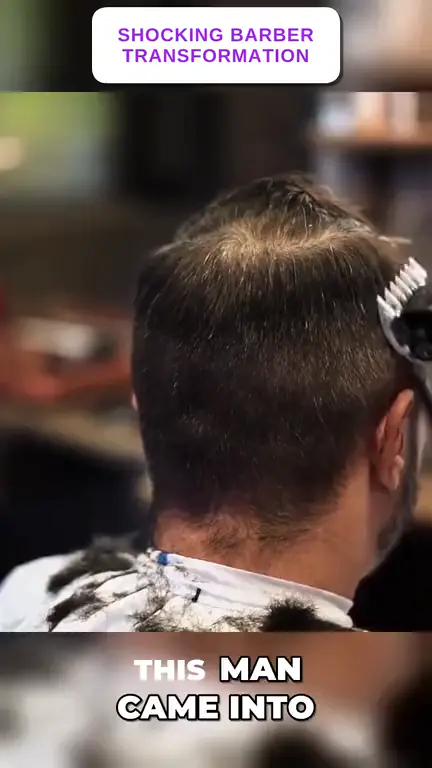
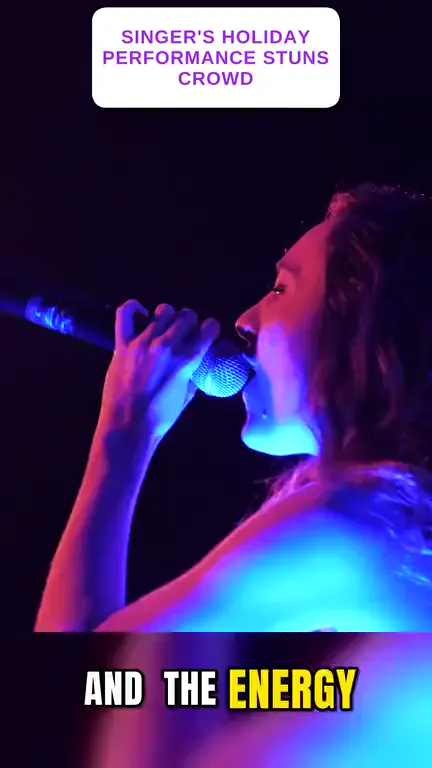
Paste a link to any video — WowReveal writes the story, voices it and adds captions, a headline and music. Ready for Reels, Shorts and TikTok.
No link? Upload a file
- 30 free credits
- No card needed
- Voiceover in 9 languages
- Failed jobs refunded