Fair Use for Short Videos: The Four Factors in Plain Language
Fair use is a courtroom defense, not a checkbox. Here are the four factors, the myths that get Shorts removed, and a quick self-check before you post.
In this article
Fair use is a US legal defense, not a permission or a right, and courts weigh it with four factors: purpose and character, nature of the work, amount used, and effect on the market. Using someone else's YouTube video is never automatically legal under fair use, because it's decided case by case. This is general information, not legal advice.
If you post fair use short videos, or hear "it's fair use" under every second Reel, the useful question isn't "is this fair use?" It's "could I defend this, and would the platform even care?"
Fair use in one paragraph: what it is and what it is not
Fair use is a defense you argue after someone objects, not a license you hold before you post. It comes from Section 107 of the US Copyright Act, and the US Copyright Office publishes the statute and case summaries. No form, label or hashtag activates it.
So, is it legal to use YouTube videos under fair use? Sometimes. A court might say yes for a short, critical clip inside a real review. It might say no for a highlight that retells the whole thing. Nobody can promise you the answer in advance.
Permission is different. If the owner says yes in writing, or you hold a license, the question disappears. Fair use only matters when you don't have that.
And it's a US doctrine. Other countries use different rules, like fair dealing in the UK, Canada and Australia, which are often narrower. Your audience may not all live where your page does.
The four factors in plain language
Courts look at four factors together, and none of them wins on its own. Here's each one with a short-video example.
1. Purpose and character: is your use transformative?
This factor asks whether you added new meaning, criticism or commentary, which lawyers call transformative use, or just repackaged the original. A 5-second clip inside a review where you pick apart one scene leans transformative. A 40-second highlight where a voiceover reads the story over someone else's footage leans the other way, because the footage still does the work. Commercial use counts against you, though it doesn't decide the case.
2. Nature of the original work
Factual material gets more room than creative material. A clip from a public press conference is easier to defend than a movie scene, a music video or a talent show performance. That's why YouTube fair use movie clips are contested so often: the work is creative, and the owners are active.
3. Amount and substantiality: how much you take
Taking less helps, but taking the "heart" of the work hurts, even if it's brief. A 5-second clip of the winning goal, the punchline or the final reveal can be the entire reason people watch. Best-moment clipping is risky for exactly this reason, since the best moment is usually the heart.
4. Effect on the market for the original
Courts ask whether your video substitutes for the original. If a viewer can watch your Short instead of the source, that's a problem. Compilation Shorts that serve up the full payoff of a rescue or a transformation are the classic case.
Fair use myths that get Shorts removed
None of the popular shortcuts creates fair use, and we've watched pages lose reach for weeks after leaning on them. Here are the four we see most.
"I gave credit" or "no copyright intended" disclaimers
Credit is attribution, not permission. A YouTube fair use disclaimer or a "no copyright intended" line in the description has no legal power to turn a copy into a fair use. A court looks at what you did with the footage, not what you wrote under it.
"It's only a few seconds"
There is no safe number of seconds. The "under 10 seconds" or "under 30 seconds" rule is folklore, and the law doesn't contain it. Factor three cares about what you took, not how long it ran.
"It's non-profit or just for fun"
Non-commercial use can help under factor one, but it doesn't act as a free pass. A free page can still copy a creator's work, and the owner can still file a claim.
Copy-paste fair use descriptions
That block of text citing Section 107 isn't analysis. It's a paragraph. Pasting it under every video doesn't change how your clip scores on the four factors, and it won't stop an automated system from matching it.
Fair use on YouTube Shorts: why platform rules apply separately
A use can be lawful and still get your Short claimed, muted or demonetized, because three separate layers apply and only one of them is the law.
- The law: fair use, decided by a court, usually after a dispute.
- Content ID: automated matching of audio and video against files owners have registered. It doesn't judge fair use at all. It just finds matches.
- Platform monetization rules: on YouTube, the reused content policy for the YouTube Partner Program expects original, transformed material, whatever the legal position.
A copyright claim usually redirects or shares revenue. A strike, which follows a formal takedown request, is heavier, and repeated strikes can end a channel. Both can arrive even when you'd argue fair use. You can dispute a claim, and that's where your argument happens, but the owner can push back.
YouTube's fair use help page explains that it treats the doctrine separately from claims. Facebook Reels, TikTok and Instagram Reels each have their own copyright and originality rules too. All of these change, so check the current text before you build a content plan on them.
A quick self-check before you post someone else's footage
If you can't answer yes to the first question below, get permission or switch footage. The rest only help if you've passed it.
- Do I have written permission or a license for this exact footage?
- Am I adding real commentary or criticism, not just a voiceover retelling it?
- Is the clip a small part, and not the moment viewers came for?
- Could someone watch my video instead of the original?
- Would my page survive a claim, a mute or lost monetization?
As for how to find fair use videos on YouTube: you can't. There's no such label. You can filter search for Creative Commons licensed videos, which uploaders chose to mark, but read the exact license terms first.
Safer routes usually beat arguing a defense:
| Source | What to check |
|---|---|
| Your own footage | Rights to people, music and logos in frame |
| Licensed or royalty-free material | License covers monetized, commercial use |
| Written permission | Saved in writing, with scope and platforms |
| AI-generated visuals | Each platform's AI disclosure and originality rules |
Tools can help with the original part. WowReveal writes a story and voices it with AI voiceover over footage you own or have rights to, and adds captions and a cover. It doesn't grant rights to a video you paste in, so rights stay your job. For a specific case, ask a qualified lawyer.
Frequently asked questions
How many seconds of copyrighted video can I use on YouTube?
There's no safe number of seconds. Courts weigh the four factors, including whether you took the "heart" of the work, so even 5 seconds can be too much. Content ID can also match very short clips.
Is giving credit enough for fair use?
No. Credit is attribution, not permission, and it doesn't change how a court weighs the four factors. Disclaimers like "no copyright intended" don't create fair use either.
Can I still be demonetized if my video is fair use?
Yes. Content ID and YouTube's reused content policy work separately from the law, so a use a court might accept can still be claimed, muted or ineligible for monetization.
Where to go next
- What Is Content ID on YouTube? — Explains the automated matching that ignores fair use arguments.
- What Is Reused Content on YouTube? Meaning, Examples and What Counts as Original — Covers the separate monetization rule that sits on top of copyright.
- Is YouTube Clipping Legal? Permission, Fair Use and Safe Practice — The direct next step if you clip other creators' videos.
- What Is a Compilation Short, and Is It Safe to Post? — A format where fair use claims are most often misused.
- Platform Rules for Monetized Shorts: The Cross-Platform Hub for Reels, Shorts and TikTok — The hub linking every platform policy topic in one place.
Generate your reel right now
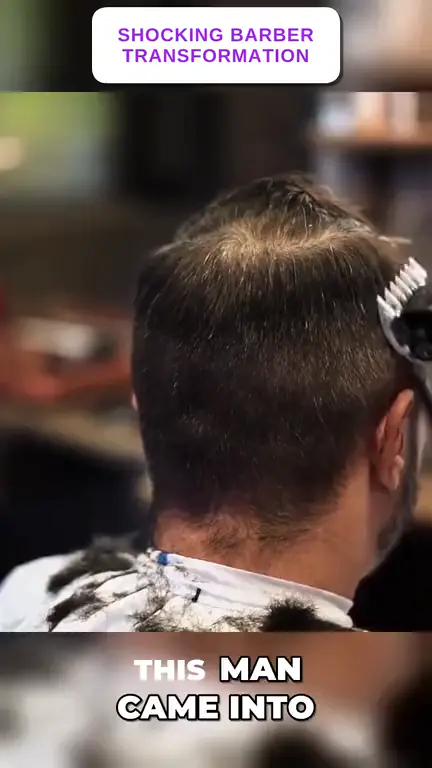
Paste a link to any video — WowReveal writes the story, voices it and adds captions, a headline and music. Ready for Reels, Shorts and TikTok.
No link? Upload a file
- 30 free credits
- No card needed
- Voiceover in 9 languages
- Failed jobs refunded