How to Build a Series Format with AI: Episodes That Keep Followers
A series is a skeleton you reuse: same hook, same look, new payoff every time. Here's how to build one with AI and test it before you commit.
In this article
You make a short video series by fixing a repeatable skeleton, the same hook line, recurring elements and episode numbering, and changing only the payoff in each episode, which AI can produce at volume. That's the whole idea. The real work is deciding what stays fixed, what moves, and how you know the series earns its slot in your week.
What a Shorts Series Is (and When It Beats a One-Off)
A series is a run of Facebook Reels, YouTube Shorts, TikTok or Instagram Reels that a viewer can recognize in the first second and expect more of. A one-off has to win a new audience every single time. A series only has to win them once, then keep them.
Series vs one-off: what changes for the viewer
With a one-off, the viewer judges the topic. With a series, they judge the promise. If episode 3 delivers what episode 1 did, following becomes an easy decision, and that's the point: follows and repeat watches are what a series buys you that scattered posts don't.
When to stay with one-offs
Stay with one-offs when you're still hunting for your niche, or when your topic has no natural payoff you can repeat. A series built on a weak idea just fails on a schedule. We've seen pages burn two weeks numbering episodes of something nobody finished watching in the first place.
The Series Skeleton: Fixed Hook, Recurring Elements, Variable Payoff
The skeleton is a one-page spec that separates what never changes from the single thing that does. Write it down before you generate anything.
| Fixed in every episode | Variable per episode |
|---|---|
| Opening hook line (same wording) | The topic, footage or scenes |
| Voice, or AI voiceover voice and pace | The script body |
| Animated captions style | The payoff or twist |
| Cover layout and episode number | The cover image itself |
| Length range (say 30-45 seconds) | The ending line's content |
What stays the same in every episode
The hook line does the heavy lifting. "This rescue didn't go as planned" works as a recurring format hook because the viewer already knows the shape of what follows. Voice, caption style and cover layout do the rest: they make your episode identifiable in a feed before anyone reads a word.
What changes in every episode
Only the payoff. One new story, one new twist, one new outcome. If you're changing the hook, the voice and the layout every time, you don't have a series, you have a page.
Build the Series with AI Step by Step
You build an AI series by writing the skeleton once and then running every episode through the same template. Here's the pipeline.
Pick the format and write a series brief
Write five lines: the audience, the hook line, the recurring elements, the payoff type and the episode length. That's your brief. Pick a format with a clear payoff, such as story narration, rescues, restorations or kindness stories.
Generate script, voice, captions and cover from one template
Reuse one template so each episode takes minutes, not an evening. In WowReveal, a niche template plus the brand kit carries your colors, caption style and layout, while the story writer, AI voiceover (text-to-speech in 9 languages), animated captions and cover maker handle the per-episode parts. Swap the source video or topic, keep everything else.
Keep voice and characters consistent
Pick one voice and one pace, then don't touch them. If you use a recurring character, lock the description and reuse it word for word. Drifting faces and shifting voices read as a different channel entirely.
Series Ideas That Suit AI Production
The best AI series are the ones where a narrator and strong visuals carry the episode, so story-led formats win on effort versus return. Nobody can name one "best AI-based series," because it depends on your footage rights and audience, so choose by workload.
Story narration, rescue, kindness and restoration formats
"Part 7" of an animal rescue, a numbered true-style story, a satisfying restoration or a wholesome-kindness run all share a fixed opening and a clear payoff. They also work with footage you have the right to use, or scenes you generate yourself.
Why micro-drama is a heavier build
An AI micro-drama, those 60 to 90 second vertical dramas, needs consistent faces, dialogue, lip-sync and many scenes per episode. It's a bigger build than narration. Start with the lighter formats, then move up once your template runs without you.
Cadence and Numbering: Part 2, Part 3 and Posting Rhythm
Pick a posting rhythm you can hold for at least five weeks, whether that's 3 or 7 episodes a week, and number every episode on the cover. Missing a week hurts a series more than a slower pace does.
The easiest first episode is a Part 2. Find your best one-off by retention in Meta Business Suite or YouTube Analytics, then continue its story. Say "Part 2" in the cover and the opening line, and pin a comment listing the order. On YouTube, the Shorts series feature can also group episodes, where it's available to you.
Avoid Repetition Flags: How to Vary Each Episode
Near-identical episodes look mass-produced, and platforms treat mass-produced content as a monetization risk. Vary the topic, footage or scenes, the script and the payoff in every episode, then add something only you'd add: a real opinion, a fresh angle, your own edit choices.
Quick check before you publish:
- Would this episode make sense if you swapped it with the last one? If yes, rework it.
- Is the middle of the script different, not just the nouns?
- Did a human decide what the payoff is?
Is AI allowed? Yes. The YouTube Partner Program overview ties monetization to original content, not to which tool you used, and YouTube asks you to disclose realistic altered or synthetic content. Facebook content monetization has its own originality rules in Meta's help center. Policies change, so recheck them, and remember that Meta and YouTube decide eligibility. Whether AI shorts get monetized comes down to original, transformative value.
Test Five Episodes, Then Decide
Ship five episodes before you decide, then judge the series on retention rate, completion and follows per episode. One episode tells you nothing, and three can mislead you.
After episode 5, look at the trend. Is retention steady or rising? Do viewers finish the last 3 seconds? Are follows climbing relative to views? Then pick one: keep it as is, change one element (usually the hook or the length), or drop it and reuse the template for a new topic. Change one thing at a time, otherwise you won't know what worked.
Frequently asked questions
How do I make a short video series?
Fix a skeleton: one hook line, a recurring voice, caption style and cover layout, and an episode number. Then change only the payoff per episode. Post five episodes and read retention and follows before committing.
Do AI shorts get monetized?
They can be. YouTube and Facebook base monetization on original, transformative value and policy compliance, not on whether AI helped make the video. Eligibility is decided by the platform, and rules can change.
Is AI allowed on YouTube Shorts?
Yes, within YouTube's policies. You must disclose realistic altered or synthetic content, and mass-produced, repetitive videos can put monetization at risk.
Where to go next
- Niche Templates for Reels: Repeatable Formats for Daily Posting — the production base that makes each episode take minutes.
- Story Voiceover Shorts: Structure, Voice and Pacing — script structure and a recurring voice for every episode.
- How to Keep a Character Consistent Across AI Shorts — lock a recurring character or voice across the run.
- AI Slop vs Original: How to Make Generated Shorts Feel Authored — vary episodes so the feed doesn't look mass-produced.
- What Is a Good Retention Rate for Shorts? Benchmarks and How to Read Them — read your numbers after episode 5.
Generate your reel right now
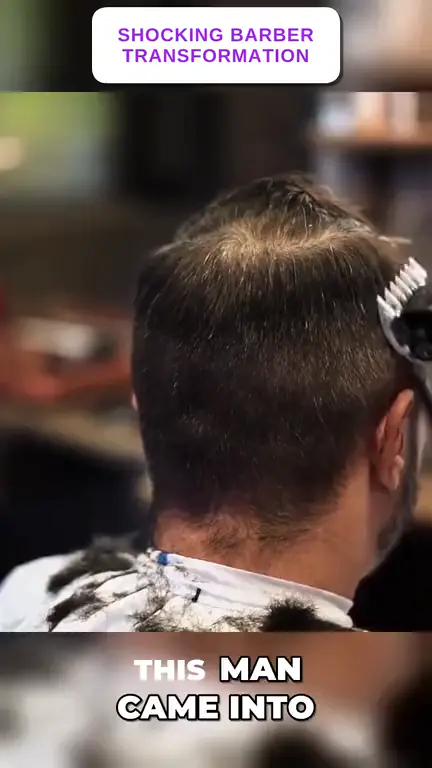
Paste a link to any video — WowReveal writes the story, voices it and adds captions, a headline and music. Ready for Reels, Shorts and TikTok.
No link? Upload a file
- 30 free credits
- No card needed
- Voiceover in 9 languages
- Failed jobs refunded