How Does an AI Clipper Pick Highlights? Highlight Detection Explained
An AI clipper scans transcript, audio, cuts and reactions, scores each moment, then trims the winners. Here's how that works, where it breaks, and what to check.
In this article
An AI clipper picks highlights by scanning the video for signals (what's said in the transcript, audio energy, scene changes and reactions), scoring each moment, and then choosing a start and end point for the top-ranked ones. What you get is a shortlist of candidates. It still needs a human review before anything goes online.
What an AI clipper does in one paragraph
Video clipping means cutting a long video into short, self-contained pieces, and an AI clipper automates the hunt for those pieces. It transcribes the speech, measures the sound, detects cuts and reactions, ranks the moments, trims them and reframes them to 9:16 vertical for Facebook Reels, YouTube Shorts, TikTok and Instagram Reels. WowReveal's AI Clipper follows this same pipeline and adds captions on top. The scanning is the easy part. Judgment is the hard part.
The signals an AI clipper looks at
An AI clipper reads four signal families, and every tool weights them differently. That weighting is why two clippers give you different clips from the same file.
Transcript and topic shifts
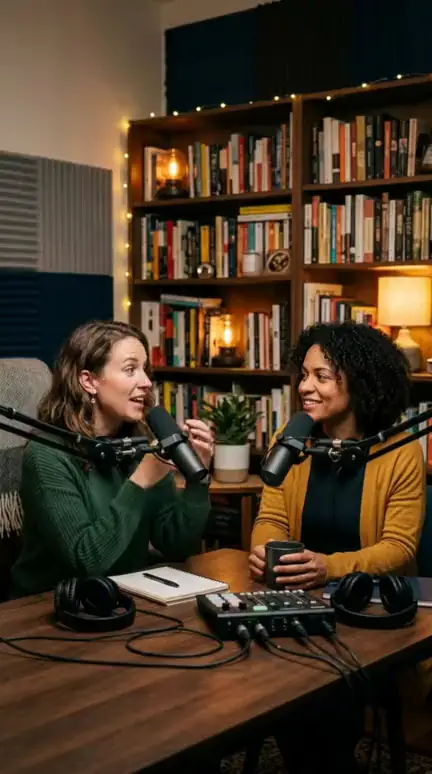
The transcript is the strongest signal for talking content. The model looks for topic shifts, strong statements, direct questions, and a claim followed by an answer. A sentence like "here's the mistake nobody tells you about" often scores well because it works as a hook.
Audio energy and pacing
Audio energy covers volume spikes, faster speech, pitch jumps and the silence right before a punchline. It's cheap to measure and surprisingly good at finding emotional peaks. It's also easy to fool, because shouting and a great moment look the same to a waveform.
Scene changes and cuts
Scene detection finds camera cuts and visual changes. It gives the clipper clean boundaries to cut on, and a burst of quick cuts can flag action. In footage that's already heavily edited, though, every few seconds looks like "something happened."
Reactions: laughter, applause, crowd noise
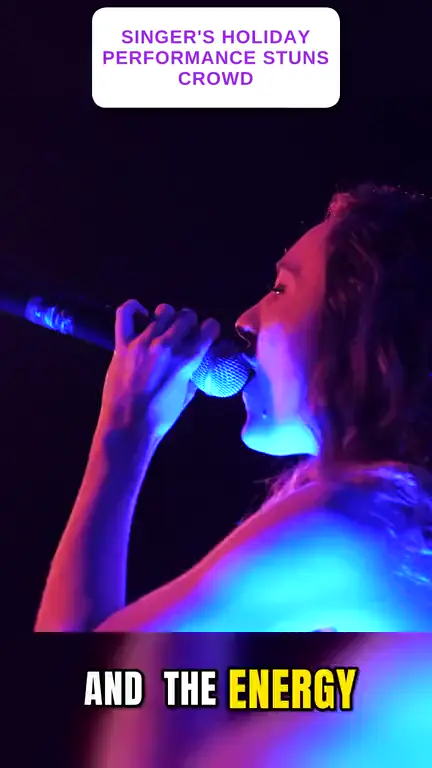
Reaction detection listens for laughter, applause and crowd noise, and sometimes watches faces. It's the main reason clippers do well on talent shows: the performance builds, the crowd erupts, and that eruption becomes the peak the clip is built around.
How moments are scored and ranked
Each candidate moment gets a combined highlight score, and the top-ranked moments are the ones kept. The weights decide the outcome. A podcast-tuned model leans on the transcript. A stream-tuned model leans on audio spikes.
On a 60-minute podcast, expect roughly 8 to 15 candidates, not 60. Some will be strong. Several will be filler with a good-sounding sentence in the middle.
The score is a guess about attention, not a measure of quality. A high score means "this stands out from the surrounding minutes." It doesn't mean "this works for a stranger scrolling at midnight."
How the clip start and end are chosen
The clipper finds the peak, then snaps the start and end to the nearest sentence or scene boundary, inside a target length. For Shorts and Reels that's typically under about 60 seconds.
In practice it walks backward from the peak to find where the thought begins, then forward to where it finishes. When the thought runs longer than the limit, something gets cut. That's where most bad clips come from.
Which source videos work best
Clear speech and obvious energy changes make the best sources. Weak audio or purely visual footage makes the worst.
| Source type | What carries the score | Where it struggles |
|---|---|---|
| Podcasts and interviews | Transcript, topic shifts | Setups that pay off minutes later |
| Sports and Twitch streams | Audio spikes, crowd noise | Loud moments with no context |
| Talent shows | Applause, reactions | Clipping the applause but not the build-up |
| Silent or music-only footage | Scene cuts only | Almost everything |
Free stream clippers exist, usually with limits on length, exports or watermarks. Check those before you build a workflow around one.
Where AI clippers get it wrong
AI clippers fail in predictable ways, and each failure traces back to one signal. Accuracy also drops with poor audio, heavy accents, crosstalk and background music.
- Transcript scoring: cuts mid-sentence, or grabs a punchy line with no setup.
- Audio energy: rewards shouting, laughter and noise with no meaning behind them.
- Scene detection: treats a busy, fast-cut section as a highlight.
- Reaction detection: catches the laugh but misses the joke that caused it, especially sarcasm.
Beyond the signals, the common output mistakes are clips that run too long, give a cold viewer too little context, or end abruptly. We've seen pages post raw clipper output for weeks and wonder why completion rates stayed flat. The clips weren't broken. They just weren't checked.
A quick human check before you post
Watch every clip start to finish before posting. It takes under a minute, and it's the step that separates a usable Short from a random excerpt. Run these five checks:
- Hook in the first 3 seconds. Does it start on the interesting part?
- Clean start. No half-word, no "and so..." from the previous thought.
- Complete thought. A stranger understands it without the other 59 minutes.
- Ending that lands. It stops on the payoff, not mid-breath.
- Captions are correct. Names and numbers especially.
Then adjust by source. Podcast: check the setup. Sport: check that the play is visible, not just the roar. Talent show: keep a few seconds of the build before the applause.
Rights matter too. Clipping someone else's video can raise copyright and reused-content problems. YouTube's Partner Program policies cover reused content, and platform rules change, so read the current version. Use your own or licensed footage, and add real value like commentary or structure. This is general information, not legal advice.
Choosing a clipper: what to look for
The best AI clipping tool is the one that gives you the best first draft from your kind of footage, and it varies. A podcast-focused tool can look weak on a gaming stream. Test with one of your own videos.
Look for these:
- Editable start and end points, so you can fix a mid-sentence cut in seconds.
- A visible transcript and accurate captions.
- Proper 9:16 reframing, not just a center crop.
- Clear limits on free plans.
- Refunds for failed jobs.
CapCut has an AI clipper, and it's a reasonable way to see how the idea works on your footage. Judge it the same way you'd judge any tool: run the five checks on what it gives you. If a clipper fails or gives odd results, the usual suspects are poor audio, a very long file or an unsupported language. Try a shorter test file first.
Frequently asked questions
Is the AI clipper on CapCut good?
It's good enough to show you what an AI clipper does, and it can save time on a first pass. Quality still depends on your source audio and footage, so run the same pre-post check on every clip it produces.
Is YouTube clipping legal?
It depends on whose video it is and what you add. Clipping your own or licensed footage is fine. Reposting someone else's content can cause copyright and reused-content problems, and platform rules change. This isn't legal advice.
How accurate are AI clippers?
Accuracy varies by source type and audio quality. They're strong on clear speech and obvious crowd reactions, and weaker on sarcasm, delayed punchlines and silent or music-only footage.
Where to go next
- AI Video Clipper: How It Finds the Best Moments in Long Videos — the full end-to-end clipper workflow, once you know the signals.
- AI Stream Clipper: How to Turn Podcasts and Streams into Shorts — how detection plays out on the source types where it's used most.
- Podcast Clips for Reels and Shorts: How to Pick, Format and Post Them — practical follow-up on choosing and formatting podcast clips.
- Talent Show Shorts: How to Clip the Best Moments (and Stay Rights-Safe) — applause-driven clipping and the rights side.
- Best AI Video Clipper: Features to Compare Before You Choose — the next step when you're ready to pick a tool.
Generate your reel right now
Paste a link to a long video — AI finds the best moments and turns them into ready Shorts with captions.
No link? Upload a file
- 30 free credits
- No card needed
- Voiceover in 9 languages
- Failed jobs refunded