Story Shorts vs Clip Shorts: Which Format Fits Your Page?
Narrated stories or clipped moments? Compare effort, policy risk, retention and niche fit, then pick one repeatable format with a simple rule: source access first.
In this article
Story shorts vs clip shorts comes down to source access. Story Shorts (narrated, scripted, built from your own words and visuals) carry lower originality risk but need more upfront work, while clip Shorts are faster but only safe when you own or have rights to the source footage. Choose by what footage you can legally use, then by whether you value monetization safety or speed.
That's the short answer to "should I make story videos or clips for Reels?" The rest of this page shows how to score each format on effort, policy exposure, retention and niche fit, so you can stop switching formats every week.
Key takeaways
- Story Shorts cost more per video at the start (script, AI voiceover, visuals) but you don't depend on anyone's footage.
- Clip Shorts are quicker per video once a source exists, and they're only safe from your own or properly licensed footage.
- Reposting other people's videos is the highest-risk path on Facebook Reels, YouTube Shorts and TikTok. No editing trick fixes that.
- No footage rights means story. Owned or licensed long footage means clips. A mix means clip plus narration.
- Neither format guarantees earnings. Run both for two weeks and let your retention numbers decide.
What Story Shorts and Clip Shorts Actually Mean
Story Shorts and clip Shorts are two production formats, not two platform features. That matters because search results for this topic are full of the wrong comparison. "Clip" here has nothing to do with the YouTube Clips feature, which lets viewers snip a slice of someone else's video to share. And "story" isn't YouTube Stories, a feature YouTube has retired. We're comparing how you make a vertical 9:16 video.
Story Shorts: narrated, scripted, voiced
A story Short is built around a script. You write (or generate and edit) a short narrative, record or generate an AI voiceover, and lay visuals, animated captions and music on top. The video exists because of your words.
The visuals can be stock you're licensed to use, AI-generated images, screen recordings, or your own footage. The narration is what makes it yours.
Clip Shorts: moments cut from longer footage
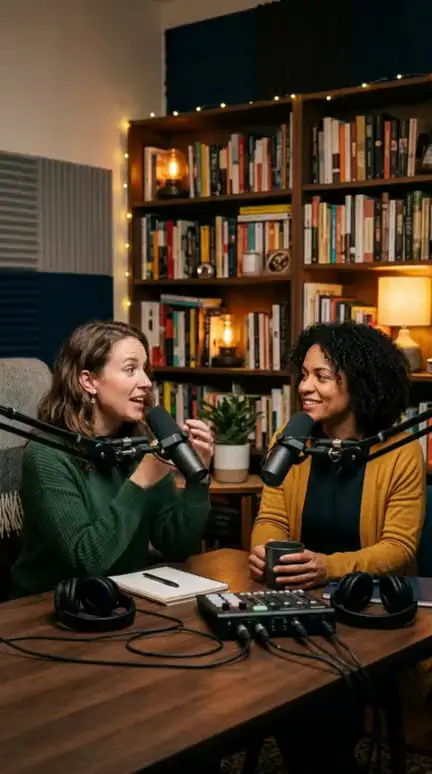
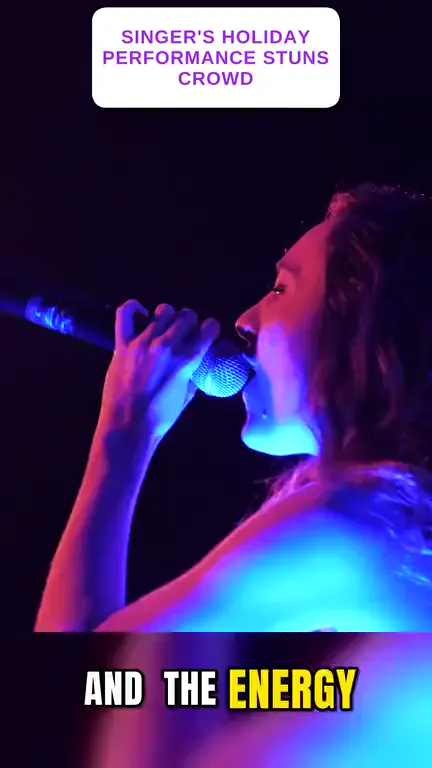
A clip Short takes one strong moment from a longer source, such as a podcast episode, a stream, a match or an event, and reframes it to 9:16. Add a headline hook and captions and you're done.
The format is only as good as the source. If you filmed it or hold the license, it's a pipeline. If someone else filmed it, it's a liability.
The hybrid: clip plus narration
The hybrid puts your own voiceover or commentary over a clip you have rights to. Think of a coach explaining why a play worked, or a host setting up a guest's best answer in 10 seconds before the clip hits. It costs more than a plain clip and less than a full story, and the added commentary gives the video a clear reason to exist.
| Story Shorts | Clip Shorts | Clip + narration | |
|---|---|---|---|
| What it does | Tells a scripted story in your voice | Extracts one moment from long footage | Adds your commentary to a rights-cleared clip |
| Input | Idea or script, plus visuals you can use | Long video you own or license | Long video you own or license, plus a script |
| Output | 9:16 video, 30-90 seconds | 9:16 video, 15-60 seconds | 9:16 video, 30-60 seconds |
| Cost model | Your time, plus voiceover or tool credits | Your time, plus tool credits if you use an AI clipper | Both |
| Best for | Pages with no footage library | Podcasts, streams, events, owned archives | Explainers, analysis, reaction to your own content |
Effort and Tools: What Each Format Takes Per Video
Story Shorts take more work per video at the start, and clip Shorts take less once a source is in hand. The numbers below are our working estimates from watching creators build these daily, not benchmarks. Your speed will vary.
Story workflow: idea, script, voiceover, visuals, captions
A manual story Short has five steps: find the idea, write 90-180 words, record or generate the voice, match visuals, then add captions and a cover. By hand, expect roughly 30-60 minutes for a first few videos. With templates and AI voiceover you can get that down to 10-20 minutes.
A three-posts-a-day story page isn't three separate sessions. Batch it. Write all three scripts in one sitting, voice them together, then assemble. The idea pipeline is the real bottleneck, not the editing.
Clip workflow: source, moment-finding, reframing to 9:16, captions
A clip Short has four steps: get the source, find the moment, reframe to 9:16, then caption and add a headline. Moment-finding eats the time. Scrubbing a 90-minute podcast for a 40-second peak can take 20-30 minutes by hand, and an AI clipper compresses that to a review pass.
So is it advisable to clip your long-form content into Shorts? Yes, when the long-form is yours. It's the cheapest discovery loop a creator with an existing library has. If it isn't yours, skip to the next section.
Time and cost comparison table
| Story Shorts | Clip Shorts | |
|---|---|---|
| Time per video, by hand (estimate) | 30-60 minutes | 20-40 minutes |
| Time per video, with AI tools (estimate) | 10-20 minutes | 5-15 minutes |
| Heavy part | Ideas and script | Source access |
| Scales with | Ideas and templates | Size of your source library |
| Upfront cost | Low, no footage needed | Low if you own footage, high if you must license it |
Winner on effort: clips, but only if the source already exists. Otherwise story.
Policy and Originality Risk Compared
Clip Shorts carry far higher policy exposure than story Shorts whenever the footage isn't yours. Platform rules change, so check the current wording before you build a business on any of this.
Why clips from other people's footage are the riskiest
Cutting someone else's video into a Short stacks three problems: copyright claims, Content ID matches on YouTube, and reused-content flags that can block monetization even when no claim lands. The YouTube Partner Program overview is explicit that monetized channels need original, authentic content. Meta's Business Help Center points the same direction for Facebook content monetization: original content, not reposts.
We've watched pages lose reach for weeks after reposting one unoriginal clip. Speeding it up, flipping it or adding a border doesn't change whose footage it is. Don't chase that trick.
What makes a story Short original
A story Short is original when the script, voice and edit are yours and the visuals are ones you're allowed to use. The narration is the creative contribution. Retelling a public fact in your own words, with your own structure and your own pacing, is a different object from re-uploading someone's video.
It isn't automatic, though. Copying another creator's script word for word is still copying. Story ideas need safe sources, and the format only protects you if you actually write it.
Sensitive topics and monetization limits
Story Shorts have their own ceiling. Crime, tragedy, health claims and similar subjects can limit ads or monetization even when the video is fully original. Clips can hit the same wall, but story pages tend to wander into these topics because drama sells. Check each platform's advertiser-friendly guidance before committing to a dark niche.
Winner on policy risk: story, by a wide margin. Clips from owned or licensed sources come close.
Retention and Which Short Format Earns
Both formats can hold viewers to the end, and they do it through different mechanics. Neither one earns by default.
How each format holds viewers to the end
A story Short retains through a hook in the first 3 seconds, a narrative arc, and voice pacing. The viewer stays because they want the ending. Tight sentences, one open loop and a payoff in the last 5 seconds do most of the work.
A clip Short retains through the moment itself, plus a headline hook and captions. The viewer decides in 2 seconds whether the moment is interesting, so the headline carries more weight than editors admit. Clips also lose people quickly if the setup runs longer than the payoff.
Story gives you more control over retention because you shape the whole arc. Clips give you better raw material if your source is genuinely good.
Why neither format guarantees earnings
Which short format earns more? It depends on eligibility, originality and watch time, not on the format label. Facebook Reels earnings run through Facebook content monetization eligibility. YouTube Shorts earnings run through the YouTube Partner Program and its own revenue share. TikTok Creator Rewards has its own rules, and at the time of writing it requires videos over 1 minute, so it pushes toward longer story-style content than a 20-second clip. That rule may change.
RPM and CPM vary by country, audience and niche, and Meta, YouTube and TikTok decide eligibility. For a rough estimate rather than a promise, use the free Facebook earnings calculator.
Winner on earning potential: depends on your eligibility and watch time. Don't pick a format hoping it pays.
Niche Fit: Which Niches Suit Stories and Which Suit Clips
Niche decides the format more often than preference does. Pick the format your niche's source material supports.
Niches that favor story
Story fits niches where the footage isn't the point: animal rescue narratives, wholesome kindness, motivational and facts content, and faceless explainers. The viewer wants the narrative, and your visuals can be generic or generated. These niches scale on ideas, which is why templates help.
Niches that favor clips
Clips fit niches built on raw performance: podcast highlights, live streams, sports moments and event footage. The moment is the product. That's also where copyright is the loudest, so sports and talent-show clips need a license or your own recording. Podcast clips from your own show are the cleanest case.
Differences on Reels, YouTube Shorts and TikTok
On Facebook Reels, originality checks decide whether your page stays eligible for monetization, so reposted clips are the fastest way to trouble. On YouTube Shorts, the reused-content policy and Content ID apply. On TikTok, Creator Rewards length and originality requirements nudge you toward longer, authored videos. Instagram Reels rewards original content in recommendations too.
If you're searching Reddit for this answer, filter every thread through one question: whose footage is it? The advice usually makes sense for the poster's situation, not yours.
Winner on niche fit: depends on the niche. Story for narrative niches, clips for performance niches you have rights to.
How to Choose: A Decision Rule by Source Access and Goal
Choose by source access first, then by goal. Footage rights settle most of the decision before preference even enters.
If you own or license footage
Go clips. A podcast, a stream archive, event recordings or licensed material give you a pipeline where each long video produces many Shorts. Add short narration to the best ones and you have the hybrid.
If you have no footage
Go story. With no footage rights, a story Short is the only version of this you can build on firm ground. Write your own script, use an AI voiceover, and source visuals you're allowed to use.
If your goal is monetization safety vs speed
If safety matters most, pick story, or clips from sources you own. If speed matters most, pick clips from owned sources, since they're the fastest per video. Speed from other people's footage isn't speed, because a lost monetization status erases the time saved.
A mixed situation, such as a small library plus a need for volume, calls for clip plus narration. Use clips on days the library has material, and stories on the rest.
Run a Two-Week Test Before You Commit
A two-week test beats any opinion, including ours. Post at least 10 videos of each format over 14 days, at similar times, on the same page or channel, and keep the topic family consistent so you're testing format, not subject.
Track three numbers per video:
- 3-second hold: the share of viewers still watching after 3 seconds. It tells you if the hook works.
- Average watch time: compare it to video length, not as a raw number.
- Completion rate: the share who finish. Short stories usually win here if the payoff is strong.
Read the results in Meta Business Suite, YouTube Studio or TikTok analytics. If one format wins on two of three metrics, commit to it for a month. If it's a tie, take the one that costs less time per video, since you'll post it more consistently.
Making Either Format Faster With AI
AI shortens both workflows, but it saves the most time on the repetitive steps: moment-finding, voice, captions and layout. It doesn't remove the need for originality or rights.
For stories, WowReveal writes a story from a video or idea, voices it in 9 languages with AI voiceover, and adds animated captions, a headline, music and a cover. Niche templates cover formats like animal rescue and wholesome kindness. For clips, the WowReveal AI Clipper finds the best moments in a link or upload and renders them in 9:16. You still need the rights to what you feed it.
| Tool type | What it does | Pricing model | Best for |
|---|---|---|---|
| WowReveal story tools | Script, AI voiceover, captions, cover, 9:16 render | Free credits to start, monthly plans, one-time packs | Story pages, hybrid videos |
| WowReveal AI Clipper | Finds best moments, reframes, captions | Same credit system | Owners of long footage |
| Opus Clip style AI clippers | Cut long videos into short clips | Not stated here, check the vendor | Clip-only workflows |
A pure clipping tool like Opus Clip is a reasonable pick if you only clip your own long videos and don't need a story format. A tool that does both makes more sense if you plan to run the two-week test across formats.
Frequently asked questions
Should I make story videos or clips for Reels?
Make story videos if you have no footage rights, and clips if you own or license long footage such as a podcast or stream. If you have a small library, combine them as clip plus narration. Decide by source access first, then by whether you prioritize safety or speed.
Is a YouTube Short the same as a YouTube clip?
No. A Short is a vertical video you upload, usually under 3 minutes. The YouTube Clips feature lets viewers cut a short slice of an existing video to share. In this article, "clip Shorts" means Shorts you cut from longer footage yourself.
How many views do you need on YouTube Shorts to make $10,000?
There's no fixed number. Shorts revenue depends on YouTube Partner Program eligibility, RPM, viewer country and niche, and none of it is guaranteed. Treat any specific figure as a rough estimate, and check your own analytics for real numbers.
Is it safe to clip long-form videos into Shorts?
It's safe when the long-form content is yours or you hold a license. Clipping someone else's video risks copyright claims, Content ID matches and reused-content flags. Platform rules change, so check the current policies from YouTube and Meta.
Do story Shorts earn more than clip Shorts?
Neither format earns more by default. Earnings depend on monetization eligibility, originality and watch time. Story Shorts usually carry lower policy risk, while clips from owned footage can be faster to produce.
Where to go next
- How to Choose a Niche and Format for a Monetized Reels Page — start here if you're still deciding the niche behind the format.
- Original Content on Facebook Reels: What Counts and What Doesn't — the originality rules behind the policy comparison.
- Where to Find Story Ideas for Shorts You Can Use Safely — solves the sourcing problem for story-first pages.
- Story Voiceover Shorts: Structure, Voice and Pacing — how to execute the story format well.
- Podcast Clips for Reels and Shorts: How to Pick, Format and Post Them — a clip format built on footage you own.
- Sports Moments Shorts: How to Clip Without Copyright Trouble — shows clip risk in a high-copyright niche.
- Best Moments Reels: Turning Highlights Into a Repeatable Format — a repeatable clip format you can copy.
- Niche Short-Video Formats: A Page Owner's Format Library — browse other formats once you've chosen.
- What Is Niche Saturation? Meaning, Signs and What to Do
- How to Spot Winning Reel Formats on Competitor Pages
Generate your reel right now
Paste a link to a long video — AI finds the best moments and turns them into ready Shorts with captions.

No link? Upload a file
- 30 free credits
- No card needed
- Voiceover in 9 languages
- Failed jobs refunded