How to Batch Create a Week of Shorts and Reels in One Sitting
Seven Reels and Shorts in about 3 to 4 hours: plan, collect, produce, review, schedule. A practical batch workflow for page owners who post every day.
In this article
You batch create Shorts and Reels by running five stages in one session: plan the week's topics, collect sources, produce all the videos, review them in one pass, then schedule them. A week of 7 videos typically takes about 3 to 4 hours with AI tools, compared with the 45 to 90 minutes a day most page owners lose making one video at a time.
That's the whole idea. The rest of this guide is the detail that makes it work on a page you want to monetize, including the review step that most batching tutorials skip.
Key takeaways
- A batch is five stages in one sitting: plan, collect sources, produce, review, schedule.
- Budget roughly 3 to 4 hours for 7 videos. Your number will shift with video length, source quality and tooling.
- Start with 7 videos, one per day. Move to 14 only once your template and workflow are stable.
- The review pass is the stage that protects monetization. Skipping it is the most common and most expensive mistake.
- Batching means a week of videos you've actually checked, not hundreds of mass-produced clips.
- Schedule inside the platform tools: YouTube Studio for Shorts, Meta Business Suite for Facebook and Instagram Reels, and TikTok's own scheduling where your account has it.
What Batch Creating Shorts Means (and Why It Works)
Batch creating means doing each type of task for all your videos at once, instead of doing every task for one video at a time. You write seven hooks in one sitting, collect seven sources in one sitting, render seven videos in one sitting.
The gain is mostly about context switching. Every time you move from "thinking of ideas" to "editing" to "writing titles," your brain pays a restart cost. Do the same task seven times in a row and that cost shows up once, not seven times.
There's a quality gain too. When all seven videos sit side by side, you notice what a daily workflow hides: three hooks that start the same way, two covers with the same layout, a week with no variety. We've watched pages fix problems in a batch that they'd never have spotted one video at a time.
Batching vs bulk-generating: why they are not the same
Batching is a week of videos you've checked. Bulk-generating is volume for its own sake, the "100 Shorts in 5 minutes" style of tutorial built around ChatGPT, Canva and Google Sheets merging templates with a topic list.
Those tutorials aren't lying about speed. They just skip what happens afterward. Mass-produced, near-identical clips are exactly what platforms treat as repetitive or unoriginal, and platform rules on this change, so read the current wording in each program's policy before you scale.
| Batching | Bulk-generating | |
|---|---|---|
| Output | 7 to 14 videos per session | Dozens to hundreds |
| Review | Every video checked once, in one pass | Usually none |
| Variety | Planned across the week | Same template, swapped text |
| Risk to monetization | Low if sources and audio are cleared | High, since output looks mass-produced |
| Best for | Pages that want to grow and earn | Testing, not publishing |
How Much Time One Batch Session Takes
A batch session for 7 Shorts takes about 3 to 4 hours when you work in stages and let AI handle the repetitive parts. Treat that as an estimate, because 20-second clips with a stable template go faster than 60-second stories built from new sources.
Most of the time goes to production, then to sources. Planning and scheduling are short if you do them properly. The mistake is cutting review to save 20 minutes, because it's the only stage that catches problems before the audience does.
Sample time budget for 7 Shorts
This is the budget we'd use for seven story-style Reels in one niche, one per day, around 30 to 60 seconds each.
| Stage | Time | What happens |
|---|---|---|
| 1. Plan | 25 min | Seven topics, formats, hooks, lengths |
| 2. Collect sources | 35 min | Links, files, rights notes, music |
| 3. Produce | 90 min | Story, voiceover, captions, cover for all seven |
| 4. Review | 35 min | One pass with a checklist, fixes |
| 5. Schedule | 25 min | Titles, descriptions, hashtags, slots |
| Total | about 3.5 hours |
For 14 videos, don't just double it. Production scales almost linearly, but planning and scheduling scale less. Expect closer to 6 hours, and only once your template is locked.
Step 1: Plan the Week's Topics and Formats
Planning means deciding, before you open any editor, what each of the 7 videos is about, what format it uses, and what its first line says. It's the cheapest stage and the one that decides whether the week feels coherent.
Pick one niche and one topic per day. For a worked example, take an animal rescue page: Monday is a rescue story, Tuesday a before-and-after recovery, Wednesday a short clip with a voiceover, and so on. Write the hook for each now, as one sentence, so you aren't inventing it at 11 p.m. in the middle of editing.
Set a target length for each too. Many pages do well in the 30 to 60 second range for story content, while a quick moment might be 15 to 20 seconds. Decide it up front and your rendering stage stops being a series of small arguments.
If you already keep a content calendar, this stage is just filling in seven rows. If you don't, a Google Sheets tab with columns for day, topic, format, hook and length is enough.
Mix formats so the week does not look repetitive
Repetition is the quiet killer of batched weeks. Seven videos with the same structure, the same opening line pattern and the same cover layout read as one video made seven times.
Vary at least three things across the week: the format (story, transformation, best moment, list), the hook style (a question, a bold claim, a mid-action opening), and the length. Keep the niche and visual identity constant. Consistency should live in your look and voice, not in the script structure.
Step 2: Collect Your Sources in One Pass
Collecting sources means gathering every video link, file, image and audio track for all seven videos before you start producing. Do it in one pass so you never stop mid-edit to hunt for footage.
The rule is simple. Use footage you filmed, footage you have written permission to use, or footage licensed for reuse. Never repost someone else's video without permission, and never try to dodge Content ID or originality checks. If a source is unclear, drop it and pick another. A weaker clip you can use beats a stronger one that gets a claim.
Audio gets the same treatment. Music rules differ by platform and by account type, so check what's available in each platform's library before you plan to use a track. Then confirm it again in review.
Keep a source sheet with link, credit and rights notes
A source sheet is a single spreadsheet that records where every clip came from and why you can use it. It takes 5 minutes to build and saves you from guessing a month later when a claim arrives.
Columns that earn their place:
- Video number and day it's scheduled
- Source link or file name
- Creator or owner, plus credit if required
- Rights note: own footage, permission received (with date), or licensed
- Audio source and whether the track is cleared for that platform
This sheet also becomes your evidence if a rights question comes up later.
Step 3: Produce All the Videos Back to Back
Production means turning every source into a finished 9:16 video in one continuous run, using the same steps in the same order for each. This is where AI tools earn their keep, because the repetitive work (writing, voicing, captioning, rendering) is exactly what they automate.
People ask how those AI Shorts get made. The honest answer is that it's rarely one magic button. It's a story script, an AI voiceover (text-to-speech), the best moments from a source, animated captions, a headline, music and a cover, all assembled at 9:16, which is 1080×1920.
Story, voiceover, captions and cover in one run
Do each sub-task for all seven videos before moving to the next. Write or generate all seven stories. Then voice all seven. Then captions. Then covers.
In WowReveal, this runs as a single flow per video: paste a link or upload a file, and it writes the story, voices it in one of 9 languages, finds the strongest moments with the WowReveal AI Clipper, adds animated captions, a headline, music and a cover, then renders. You can queue video after video, so the 90-minute production window is mostly you reading scripts, not clicking. Manual routes work too, with Canva for layouts and captions, but expect the production stage to run longer.
A tip we'd give anyone: read every voiceover script aloud once before rendering. A bad line costs 10 seconds to fix now and a re-render later.
Reuse a template or brand kit for consistency
A template locks the look of every video so you decide once and apply it seven times. Niche templates (talent shows, animal rescue, satisfying restorations, street food and similar) bring a proven structure, and a brand kit keeps fonts, colors and caption style identical across the week.
This is what lets a batch stay consistent while the content varies. Same visual identity, different stories. If you haven't settled on a niche yet, choose it before you batch, not during.
Step 4: Review Every Video in One Pass
The review stage means watching all seven finished videos back to back, with a checklist, and fixing problems before anything is scheduled. It's the step that protects monetization, because every error you'd otherwise publish gets caught here for the cost of about 35 minutes.
Skipping review is the number one batching mistake. Wrong captions, a track that triggers a claim, a source you can't actually clear, two videos that are nearly the same: all of these are invisible while you're producing and obvious when you watch with fresh eyes.
Watch on your phone, with sound on, at the size your audience sees it. Don't review on a big monitor.
A review checklist for each Short
Run this on every video. It takes about 5 minutes each.
- Hook: Does something happen or get promised in the first 2 to 3 seconds? Could a stranger tell what the video is about?
- Captions: Do they match the audio exactly? Are names, numbers and non-English words spelled correctly? Are they inside the safe area, not hidden under platform buttons?
- Audio rights: Is the music cleared for this platform? Is the voiceover clear and the source audio not clashing with it?
- Originality: Is the story, voiceover and structure yours, rather than a lightly edited copy of someone else's video? Is it different from the other six this week?
- Cover and headline: Is the cover readable at thumbnail size, and does the headline avoid promising what the video doesn't deliver?
- Title: Is it specific, in the right language, and free of misleading claims?
For deeper pacing problems, the question to ask is whether a viewer has a reason to stay at every 5-second mark. If the answer is no, cut.
Step 5: Schedule the Week and Post Consistently
Scheduling means loading all finished videos into each platform's own scheduler with a date, time, title and description, so the week posts itself. Use the native tools: they're free, and they keep you on the platform's own terms.
For YouTube Shorts, use YouTube Studio. You can upload several files in one go and set a publish date and time on each, following YouTube's official guide to scheduling videos. There's no true one-click bulk scheduler, but it's fast once the files and titles are ready.
For Facebook Reels and Instagram Reels, use Meta Business Suite, which lets you schedule Reels ahead for connected Pages and accounts. Interface and limits change, so check the Meta Business Help Center for the current steps. TikTok offers its own scheduling in the app and on desktop where your account has access, so confirm that in your settings.
Post at consistent times and keep the cadence you can actually sustain. One per day, every day, beats five on Monday and nothing after.
Titles, descriptions and hashtags for the whole week
Write all the metadata in one sitting too, as the final 10 minutes of scheduling. A post kit (titles, descriptions, hashtags) generates these for each video so you aren't staring at a blank field seven times.
Keep titles specific and honest, descriptions short, and hashtags few and relevant. Rotate phrasing across the week so every title doesn't start with the same three words. And if you cross-post the same video to other platforms, tailor the caption to each rather than pasting identical text.
Tools for Batching Shorts
The tools you need fall into six types: AI story and voiceover, a clipper, captions, a cover maker, a post kit, and a scheduler. You can assemble them from separate apps or use one that bundles most of them. The time you save comes from fewer handoffs, not from any single feature.
If you ask what's the best software to create YouTube Shorts, the real answer depends on where your time currently goes. If it's writing and voicing, you need AI story tools. If it's finding moments in long videos, you need a clipper.
What to look for: templates, AI voiceover, clipper, scheduling
Judge any tool on these:
- Templates and brand kit: can you lock a look and reuse it across seven videos?
- AI voiceover: natural voices in the languages your audience speaks, with control over the script.
- Clipper: picks strong moments from long sources instead of leaving you to scrub a timeline.
- Captions and cover: animated captions that you can correct, and covers that read at thumbnail size.
- Failure handling: what happens when a render breaks. WowReveal refunds failed jobs automatically, which matters when you queue 7 at once.
- Scheduling: many editors stop at export, so plan to schedule in the native platform tools.
Free options and their limits
You can batch create shorts free, with limits. Canva handles layouts and captions, Google Sheets handles the plan and source sheet, and ChatGPT can draft scripts. The cost is your time: more manual steps, more handoffs, and you still own the rights checks.
Free tiers of video tools usually cap exports, add watermarks or limit length. Many AI tools, WowReveal included, give free credits to start without a card, so you can test a full batch on a real week before paying anything. Paid plans buy back hours, and we won't pretend they buy results, since earnings depend on the platforms and your content.
Common Batching Mistakes and How to Avoid Them
The most common mistake is skipping the review pass, and the fix is to schedule review as a fixed 35-minute block that you can't cut. If the session runs long, shrink the batch, don't shrink the review.
The second is repetitive output. Seven videos with the same hook pattern, cover layout and structure look mass-produced to viewers and to platform systems alike. Vary format, hook and length as in step 1.
Third, batching too many at once. Going from 1 video a day to 30 in a session produces fatigue, sloppy review and a backlog you'll resent. Seven is the default. Fourteen is possible once your template is stable and your review catches almost nothing.
Fourth, unchecked sources and audio. A clean batch needs a source sheet and a rights check before production, then again in review.
And last, ignoring what the numbers say. Batching makes it easy to publish on autopilot. Look at retention and watch time weekly, then change next week's plan. Whether a page earns is for Meta, YouTube and TikTok to decide, through their own eligibility rules, and those rules change.
How Batching Fits Agency and Multi-Page Production
Batching scales to many pages when each page gets its own plan, template and review, and only the process is shared. Running the same five stages per page keeps quality steady as volume grows.
For an agency, the unit becomes a page-week: one niche, one brand kit, seven videos, one reviewer. Give each page its own source sheet and its own template so nothing bleeds across accounts. And never copy a video between sister pages: identical content across pages is the fastest route to originality problems.
The reviewer matters more at scale. Ideally the person who produced the batch isn't the one who checks it. A second set of eyes on the checklist catches what familiarity hides, and it's cheap compared with a lost page.
Frequently asked questions
How do I batch create Reels?
Run five stages in one sitting: plan seven topics, collect and clear your sources, produce all the videos back to back, review them in one pass with a checklist, then schedule them in Meta Business Suite. A week of 7 usually takes about 3 to 4 hours with AI tools.
How do people make those AI Shorts?
Typically with a story script, an AI voiceover (text-to-speech), best-moment clips from a source video, animated captions, music and a cover, rendered at 9:16. The step that separates good pages from weak ones is the human review before posting.
Can I batch create Shorts for free?
Yes, with limits. Canva, Google Sheets and ChatGPT cover layouts, planning and scripts, but you'll do more manual work. Free tiers often cap exports or add watermarks, so test a full week before deciding whether a paid plan saves you enough time.
How do I bulk upload and schedule YouTube Shorts?
In YouTube Studio, use Create, then Upload videos, select several files, and set a publish date and time on each one. There's no single bulk scheduler, so have titles and descriptions ready first. Check YouTube's help page, since the interface can change.
How many Shorts should I make in one batch?
Start with 7, one per day. Move to 14 only when your template is stable and your review pass rarely finds problems. Bigger batches mostly add fatigue and sloppy checking.
Where to go next
- Content Calendar for Daily Reels and Shorts: A Weekly Posting Schedule — plan the week's topics and posting times before the batch session.
- How to Make Shorts with AI: A Step-by-Step Workflow — the single-video workflow that your batch repeats seven times.
- How to Choose a Niche Template for Your Reels Page: A Decision Guide — a template makes the batch faster and keeps the week consistent.
- AI Story Shorts: The Idea-to-Reel Production System — production detail for the story-based videos in your batch.
- Short Video Retention: How to Get Reels and Shorts Watched to the End — sharpen the hook and pacing checks in your review pass.
- Copyright and Music Rules for Reels and Shorts: What You Can Use and What to Do After a Claim — the audio and rights check to run before you schedule.
- How to Post the Same Video on Reels, Shorts and TikTok Safely — useful when you schedule one batch across several platforms.
- Short-Video Workflow for Agencies: Managing Many Reels and Shorts Pages — next step if you need to batch across many pages.
- AI Short Video Creation for Reels and Shorts: The Complete Guide — the wider picture behind the tools used in this workflow.
- What Is Facebook Professional Mode? Definition, Setup and Page Differences
- TikTok Creator Rewards vs Facebook Content Monetization: Which Fits Your Page?
- Best Time to Post Reels on Facebook (and How Often to Post)
Generate your reel right now
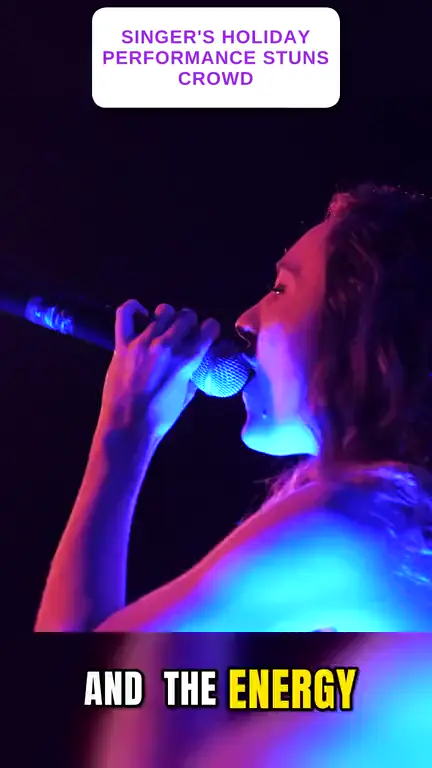
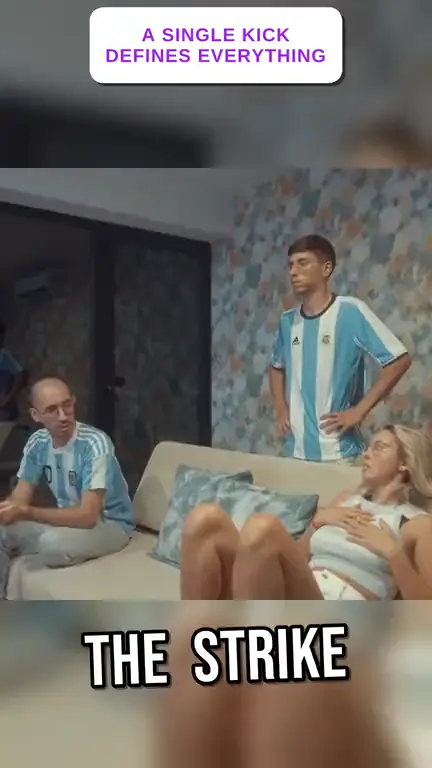
Paste a link to any video — WowReveal writes the story, voices it and adds captions, a headline and music. Ready for Reels, Shorts and TikTok.
No link? Upload a file
- 30 free credits
- No card needed
- Voiceover in 9 languages
- Failed jobs refunded