Short Video Retention: How to Get Reels and Shorts Watched to the End
Retention is the share of a video people actually watch. Here's a five-lever system to read your curve, fix one thing per video, and get Reels and Shorts watched to the end.
In this article
Short video retention is the share of a video viewers actually watch, shown as a retention curve over time and summarized as average percentage viewed. To get people to watch your Reels to the end, you need a strong first 1 to 3 seconds, tight pacing with no filler, readable captions, a length that fits the story, and an ending that pays off, with one change tested per video.
That last part is where most pages go wrong. They read a list of tips, change six things at once, post, and learn nothing. When the next video does better or worse, nobody knows why.
We've watched a lot of daily-posting pages work this way, and the pattern is consistent. The pages that improve are not the ones with the cleverest tricks. They're the ones that treat retention as a loop: read the curve, find where it breaks, fix one lever, log the result, repeat.
This guide lays out that loop for Facebook Reels, YouTube Shorts, TikTok and Instagram Reels. It covers the metrics, where to find them, the five levers, the mistakes that flatten a curve, and a checklist you can run before every post. Platform menus and rules change, so treat names and thresholds as current at the time of writing and check the official help pages.
Key takeaways
- Retention is how much of a video people watch, read as a curve and summarized as average percentage viewed. It is not the same as total watch time.
- Five levers move it: hook, pacing, captions, length and ending. Every drop in your curve maps to one of them.
- Read the shape first. A cliff in the first 3 seconds is a hook problem. A slow bleed is usually pacing or filler. A late drop is length or ending.
- Change one lever per video and log it. Compare against your own last 10 to 20 posts, not against someone else's screenshot.
- Padding a short with filler is the most common retention mistake. Cut anything that doesn't move the story.
- Retention tactics must stay inside originality and monetization rules. A higher curve built on reused or misleading footage won't pay off.
What Short Video Retention Means
Retention means how much of your video people watch before they leave, and it's the clearest signal of whether the video earned its running time. A 30-second Reel that most people watch to the end has strong retention. A 30-second Reel that most people abandon at second 4 has weak retention, no matter how many people started it.
If you've searched "what does video retention mean," that's the whole idea. The details are in how it's measured.
Retention, watch time and reels completion rate: how they differ
These four terms get mixed up constantly, and mixing them up leads to bad decisions.
- Retention (the audience retention curve): the percentage of viewers still watching at each moment of the video. It's a line that starts at 100% and falls.
- Average percentage viewed: one number summarizing that curve. If viewers watch 18 seconds of a 30-second video on average, it's 60%.
- Average watch time (average view duration): the same idea in seconds instead of percent. Useful, but a 12-second video and a 60-second video aren't comparable on seconds alone.
- Completion rate: the share of viewers who reach the end. On TikTok this appears as "watched full video." Reels completion rate is the same concept.
- Total watch time: every second watched, summed across all views. It grows with reach, so it tells you about scale, not quality.
One quirk worth knowing: because Shorts and Reels loop, average percentage viewed can pass 100% when many people watch twice. That's a good sign on a short loop, not a bug in your analytics.
Why platforms use retention to decide what to show more widely
Platforms want people to stay on the app, and a video that people watch through is a safe bet to show to more of them. That's the logic, and every platform has said some version of it publicly.
None of them publish the exact formula, and anyone who claims to know the weighting is guessing. But the practical read is stable: a video that loses people in the first 2 seconds gets shown to fewer people than a video that keeps them. So retention isn't a vanity metric. It sits upstream of reach, and reach sits upstream of earnings under Facebook content monetization or the YouTube Partner Program.
How to Read Retention in Your Analytics
Every major platform shows retention somewhere in its analytics, but the labels and depth differ, so you need to know where to look on each. Don't skip this section. A system built on numbers you can't find is just a feeling.
| Platform | Where to look | What you get |
|---|---|---|
| YouTube Shorts | YouTube Studio, Analytics, then a single video | Audience retention curve, viewed vs. swiped away, average view duration, average percentage viewed |
| Facebook Reels | Meta Professional Dashboard or Insights in Meta Business Suite | Average watch time, total watch time, a retention view for individual Reels where available |
| TikTok | TikTok Analytics, per-video view | Average watch time, watched full video rate, traffic source, retention graph |
| Instagram Reels | Instagram Insights, per-Reel | Plays, watch time, average watch time, and skip-related metrics where available |
Menus move around. If a label above isn't where we say, search the platform's help center for the metric name.
YouTube Shorts: audience retention curve and viewed vs. swiped away
YouTube gives you the richest view of the three. Open YouTube Studio, go to Analytics, pick a Short, and look at the audience retention curve. YouTube's own documentation on reading the audience retention report explains how the curve is built and what dips and spikes mean.
For Shorts specifically, look at the "viewed vs. swiped away" figure, which YouTube's Shorts analytics help page covers. It tells you what share of people who were shown your Short stayed to watch it versus flicked past. That's your hook report card.
Then check average percentage viewed. It's the single best summary number for comparing your own videos.
Facebook and Instagram Reels: average watch time and retention graph
On Facebook, open the Meta Professional Dashboard (or Insights inside Meta Business Suite) and go to the Reels performance view. You'll find average watch time and total watch time per Reel, and for many accounts a retention graph on the individual Reel page.
Instagram Insights shows similar numbers per Reel, including average watch time and, on newer builds, how many people skipped early. Since Facebook and Instagram are both Meta products, the logic is shared, but the screens differ and not every account gets every chart at the same time.
If your retention graph isn't available, use average watch time divided by video length as a rough average percentage viewed. It's crude, but it's consistent, and consistency is what testing needs.
TikTok: average watch time and watched-full-video rate
TikTok Analytics gives two numbers you should check on every video: average watch time and the watched full video percentage. The second one is your completion rate. Many creators also look at traffic source, because For You views behave very differently from followers' views.
A video can show a modest completion rate and still travel far if average watch time is high relative to length. Read both together, never one alone.
What Is a Good Retention Rate for Shorts and Reels?
A good retention rate is one that beats your own recent average for the same type and length of video; no universal number applies across niches. Anyone who gives you a single target, a "70% or you're doomed" figure, is selling certainty that doesn't exist.
That said, you need some reference points, so here are rough ones. Treat them as estimates, not promises.
- Under roughly 40% average percentage viewed: usually a hook or relevance problem. People are leaving early.
- Roughly 50% to 70%: common for a decent short. The video is working, and there's room to tighten.
- Above roughly 70%: strong for most formats, and on short loops it can exceed 100%.
Competitors often quote 70% as the finish line. It's a reasonable aspiration for 15 to 30 second clips. It's an unreasonable one for a 90-second story, where 45% might be an excellent result.
Why benchmarks vary by niche, length and traffic source
Three things shift the numbers more than your editing does.
Niche. A satisfying restoration with a visible before and after holds people differently than a podcast clip or a street food video. The format itself sets a ceiling and a floor.
Length. A 12-second video has an easier job than a 60-second one. Percent viewed falls as length grows, almost always.
Traffic source. Followers who chose your page tend to watch more. Strangers on a recommendation feed swipe faster. A Short pushed to cold audiences can show lower retention than one seen mostly by subscribers, and that's normal.
Compare against your own last 10-20 videos
Your own baseline is the only benchmark that accounts for all three factors at once. Pull the last 10 to 20 videos in the same format and similar length, and write down average percentage viewed for each.
Now you have a median. A new video above it is a win worth studying. A new video below it is a lead worth investigating. Ignore the outliers on both ends when you set the baseline, since one viral video skews everything.
If you've posted fewer than 10, you're still building the baseline. Post, log, and wait.
Lever 1: The Hook in the First 3 Seconds
The hook is the first 1 to 3 seconds of a video, and its only job is to stop the early swipe-away by making the viewer curious about what happens next. If your viewed-vs-swiped-away figure is weak or your curve drops hard at the start, this is your lever.
A hook is not a logo sting, a greeting, or a slow fade-in. Those are the most common reasons for an early cliff, and they're habits more than choices. Open on the most interesting visual or sentence you have, even if it feels like spoiling the middle.
Three quick rules that hold across platforms:
- Show the payoff's cousin. Open with the most striking frame, the reaction, the finished result or the problem at its worst.
- Make the first sentence a promise. A line that implies something specific is coming beats a line that introduces the topic.
- Match the hook to the video. A hook the content can't deliver trades a good first second for a terrible fifth.
That third point matters more than it looks. A misleading hook gets the stop and loses the viewer a moment later, which damages your curve and, on some platforms, your standing.
Hook patterns that work for story, clip and compilation formats
Different formats need different openings. These are patterns we see working repeatedly.
Story videos (AI-voiced or narrated). Start in the middle of the tension. "She hadn't spoken to her brother in 11 years, and then the door opened." The narration begins at the point of no return, then backs into context.
Clips cut from longer video. Start on the best 2 seconds of the clip, or open with a line of on-screen text that frames the stakes. Skip the setup the original had. A talent show clip should begin on the moment before the judges react, not on the contestant walking on.
Compilations. Lead with your strongest item, not your first. Put a promise in the headline, such as the number of items or the strongest one, so the viewer has a reason to stay for the list. If you're unsure whether your compilation format is safe to publish, check the rules before you build around it.
A simple test: mute the video and watch only the first 3 seconds. If you can't tell why you'd keep watching, neither can they.
Lever 2: Pacing and Retention Editing
Retention editing is cutting and structuring a video so that something new happens often enough to hold attention, without so many effects that the video becomes noise. It's the answer to "what is retention in editing," and it's less about tricks than about removing dead time.
Pacing problems show up as a slow, steady decline in the middle of the curve. Nobody left at a single moment. They drifted away because nothing changed.
The basic toolkit:
- Cut dead air. Pauses, breaths, "so," "um," and the second before an action starts. Trim to the first frame that matters.
- Change something every 2 to 4 seconds. A new shot, a new angle, a zoom, a text change, a sound cue. That's a loose rule of thumb, not a law. Calm formats can go longer.
- Use pattern interrupts sparingly. A sudden zoom, a sound hit or a cut to a different angle resets attention. Used every second, it stops working.
- Keep audio moving. Music or voiceover that fades into silence invites a swipe.
A before/after retention editing example
Here's an illustrative example, not a case study. Imagine a 38-second story Short about a rescued dog.
Before: 3 seconds of title card. A calm narrator opens with "This is a story about a dog named Max." The first rescue scene runs 9 seconds with a single static shot. The middle includes two near-identical clips of the dog eating. The ending trails off with 5 seconds of unrelated stock footage.
After: the first frame is the dog trembling under a car, with the line "Nobody could get him out for three days" in the voiceover. The title card is gone. The rescue is cut into four shots of 2 to 3 seconds each. One of the two eating clips is deleted. The last frame is the dog's first step outside, and the video ends right there, at 27 seconds.
Same story. Eleven seconds shorter, with the main event first and no dead tail. On a retention curve, the "before" version tends to show an early cliff followed by a long bleed. The "after" version is built to flatten both.
When more effects hurt
Over-editing is a real failure mode, and "retention editing" content online sometimes pushes it. Constant zooms, shaking, flashing overlays and sound effects on every cut tire the viewer, and they can bury the story you were telling.
A good rule: every edit should do a job. Hide a gap, show a new thing, emphasize a line, or reset energy. If you can't name its job, remove it. Clean cuts and a strong first 2 seconds beat a heavy effects pass nearly every time.
Lever 3: Captions That Keep People Watching
Readable captions keep people watching because a large share of viewers watch with the sound off or low, and captions give them the story anyway. If your retention is fine with sound on but drops in feeds where people are scrolling quietly, captions are the first thing to check.
Animated captions, where words appear or highlight in time with speech, add a second job: they give the eye something to follow, so attention doesn't wander. They work best on narration, talk-heavy clips and story voiceovers. They add little to a silent satisfying-restoration video.
One caution. Captions that are late, wrong, or out of sync with the voice are worse than none. Always skim the caption track on the finished render, especially in non-English languages and with names.
Caption size, placement and word grouping
Most caption problems are layout problems. These settings are what we'd start with.
- Group 2 to 4 words per line. Full sentences on screen make people read instead of watch.
- Keep them large. If you have to squint on a phone, the font is too small. Test on an actual phone, not a desktop preview.
- Place them in the safe zone. Keep text clear of the bottom 20% or so, where platform buttons, captions and descriptions sit, and away from the extreme edges. Each app's UI differs, so check a preview in each.
- Use high contrast. A light font with a dark outline or backing works on almost any footage.
- Don't cover the focal point. If the action is in the center, put captions above or below it, not on it.
- Highlight sparingly. One accent color on the key word is enough. Highlighting every third word defeats the purpose.
Lever 4: Length and How Long a Short Should Be
A Short should be exactly as long as its story needs and no longer; the length that holds the most people is the shortest one that still delivers the payoff. That's the honest answer to "best length for Shorts."
The commonly cited range is 15 to 30 seconds for many formats, and it makes sense: it's short enough that most viewers finish and long enough to deliver something. Longer stories work too, but they have to earn each extra second with stronger pacing and a payoff worth waiting for.
Rough guide, again as a rule of thumb:
| Format | Common range | What it needs |
|---|---|---|
| Single moment (reaction, reveal, transformation) | 8 to 20 seconds | A hook and a payoff, nothing else |
| Clip with a setup (talent show, sports moment) | 15 to 35 seconds | Setup in 3 to 5 seconds, then the moment |
| Story voiceover | 30 to 75 seconds | A tension hook, a turn every 8 to 10 seconds, a real ending |
| Compilation | 30 to 60 seconds | Strongest item first, fast transitions between items |
If your videos keep landing at 50 seconds with weak retention, don't assume you need a bigger hook. Try a version at 35 seconds with the same hook first.
How to shorten a video without losing the story
If you've asked "how can I shorten the length of my video," start with subtraction, not speed.
- Cut the intro. Anything before the first interesting frame goes.
- Remove repeated beats. If two clips show the same thing, keep the better one.
- Tighten the sentences. In voiceover, reduce "And then he decided that he would" to "Then he".
- Trim silences between lines. Even half-second gaps add up to 5 or 6 seconds across a clip.
- Speed up slightly if it fits. A small speed increase on a talking segment, say 1.1x to 1.2x, often goes unnoticed. Don't use it on emotional moments or when it makes voices sound wrong.
- Cut the tail. End on the payoff frame.
If the story still needs 70 seconds after all that, keep it at 70. Just make sure every one of those seconds is doing something.
Length and platform monetization rules
Length affects eligibility and earnings on some platforms, and the rules change, so confirm them in the official help pages before you plan around any number. YouTube Shorts currently allow longer clips than they once did, but the ceiling isn't the target. Under the YouTube Partner Program, Shorts revenue and eligibility have their own requirements, separate from long-form.
On Facebook Reels, Facebook content monetization has its own originality and policy requirements that matter more than length. For both, a padded video that technically meets a length mark but loses viewers is a bad trade. Retention drives distribution, and distribution drives whatever you earn. Earnings are always estimates, and the platform decides eligibility.
Lever 5: Endings, Payoffs and Loops
The ending is where you deliver on the hook's promise, and a weak ending makes a late drop that you can read right off the curve. The video should finish when the payoff lands, not before and not 5 seconds after.
Two ending types do most of the work.
The payoff ending. The question the hook raised gets answered. The dog walks out. The haircut reveal lands. The twist is told. Then the video stops.
The loop ending. The final frame or line connects to the first one, so the video restarts without the viewer noticing. A story that ends on the sentence it began with, or a transformation that ends on the same angle it opened on, invites a second watch. Since replays count toward average percentage viewed, loops can push that number up, particularly on short clips.
Mistakes to avoid at the end:
- The dead tail. Extra seconds of silence, an outro card, or "thanks for watching." People leave, and your curve ends with a visible drop.
- Ending on setup. Cutting off before the payoff, hoping people replay or comment. They usually just swipe.
- Over-asking. A long "like, share, follow" before the payoff trades the payoff for a CTA nobody finishes watching. If you want a CTA, place it after the payoff and keep it to a line.
A good test: watch your last 3 seconds. If nothing new happens in them, cut them.
Diagnose Your Curve: Which Lever to Fix First
Match the shape of your retention curve to a lever, and fix only that one. This is what turns retention from advice into a process, and it's the part most guides skip.
| Curve shape | What it usually means | Lever to change first |
|---|---|---|
| Early cliff: steep drop in the first 1 to 3 seconds | The opening doesn't give a reason to stay | Hook |
| Weak viewed vs. swiped away (Shorts) | Same issue, seen before people even start | Hook |
| Slow bleed: steady decline from second 4 to the end | Nothing changes, or filler dilutes the story | Pacing (and cut padding) |
| Mid-video cliff: sharp drop at one specific moment | A boring segment, a bad cut, an unclear line | Pacing or the specific segment |
| Drop only on sound-off or in quiet feeds | The story doesn't work without audio | Captions |
| Gradual decline with no early cliff, in a long video | Length exceeds what the story supports | Length |
| Late drop: people leave in the last 20% | The payoff arrives late or doesn't arrive | Ending |
| Flat high curve, ends with a small dip | Healthy, maybe a dead tail | Trim the tail |
Pick the biggest problem, not all of them. If the early cliff and the late drop both exist, fix the early cliff first. Getting more people through the opening gives every later lever more viewers to work with.
If someone asks you "how to improve retention on Shorts," this table is the honest answer. Find the break. Name the lever. Change it.
The One-Change-Per-Video Testing Loop
The loop is simple: read the curve, pick one lever, change only that lever in the next video, log the result, and compare against your baseline. It takes about 5 minutes per video once it's a habit.
Why one change? Because two changes make the result unreadable. If you rewrite the hook and shorten the video, and retention improves, you don't know which one did it. You'll repeat both, and when one of them backfires later, you won't see it.
How many videos before you judge? One video is noise. Run the same change across three to five similar videos before calling it a win, and compare the average against your baseline. If it's consistently above, keep it. If it's mixed, drop it or test a different variant.
A simple test log template
You don't need software. A spreadsheet or a notes app is enough.
| Date | Video | Format | Length | Lever changed | What changed | Avg % viewed | Early drop (first 3 sec) | Notes |
|---|---|---|---|---|---|---|---|---|
| Example row | Rescue story 14 | Story | 27 sec | Hook | Opened on the dog under the car | Fill in | Fill in | Compare to baseline of last 15 |
Keep one "baseline" row at the top with your median average percentage viewed for that format. Every new row gets compared against it, not against the last video.
Write the note while it's fresh. "Hook felt stronger, but ending was weak" is the kind of line you'll want in three weeks.
Running the loop across many pages
If you run several pages, standardize the log, not the content. Give each page the same columns, the same lever names and the same baseline method. Then you can compare across pages and see whether a hook pattern is working in one niche or everywhere.
A few things keep it clean:
- One owner per page for the log, so nothing's missing.
- Naming rules so that "Hook v2" means the same thing to everyone.
- A weekly review of 20 minutes: what moved, what didn't, what to test next.
- Different content per page. Don't post identical videos across your own pages to test faster. It looks like duplicate content and can hurt originality standing. Test the same lever on different videos instead.
Retention Mistakes That Cost You Views
Most retention problems come from a short list of repeated mistakes, and nearly all of them are visible in the curve once you know what to look for. These are the ones we see most.
- Slow intros. Titles, greetings, logos and fades in the first 3 seconds. Visible as an early cliff.
- Mismatched hooks. A hook that promises something the video doesn't deliver. Visible as a decent first second followed by a sudden drop.
- Unreadable captions. Too small, too long, out of sync or hidden under platform buttons.
- Abrupt endings. The video stops before the payoff, or the payoff comes so late that people leave first.
- Repetitive reused footage. The same shot or clip repeated to stretch the length. Viewers notice, and so do platforms.
- Changing too much at once. Not a viewer-facing mistake, but the reason many pages never learn from their own data.
Padding a short with filler
Padding a short with filler is the single most common retention mistake, and it produces a recognizable curve: a slow bleed. There's no cliff, no dramatic moment. People just leave a little at a time because nothing is moving.
Padding takes many forms. A 10-second story stretched to 30 with slow-motion repeats. Extra intro sentences. B-roll that doesn't relate to the voiceover. A long outro. A song intro before anything happens.
Many creators pad because they've heard longer videos earn more. That's backwards for short-form. A tighter 22-second video with an average percentage viewed of 75% usually does more for distribution than a 45-second one with 35%. The cure is blunt: cut anything that doesn't move the story. Then cut a little more.
Retention tactics that conflict with monetization and originality rules
Some ways of boosting retention put your eligibility at risk. Avoid these.
- Reposting other people's videos without permission to borrow their natural retention. Originality rules on Facebook content monetization, the YouTube Partner Program and other programs exist to block exactly this. Adding captions to someone else's clip doesn't make it yours.
- Looping or repeating the same footage to push up watch time. Platforms treat repetitive or low-effort content as lower value.
- Misleading hooks and fake teasers. Short-term retention, long-term trust and policy trouble.
- Trying to dodge Content ID or originality checks with flips, pitch shifts or crops. We won't suggest it, and it doesn't make the content original.
- Engagement bait like "watch to the end to see" with nothing at the end. Many platforms discourage it.
The safer path is original footage, footage you have the rights to, or substantial original commentary, story and editing on top of material you're allowed to use. Platform rules change, so read the current originality guidelines on each platform's official help center before you scale anything.
Speed Up the Loop with AI Tools
AI tools help most by making each test cheaper to run: faster clipping, faster scripting, faster captions and faster renders, so you can test one lever per video without a half-day of editing. They don't replace judgment. A tool can build a cleaner video, but it can't tell you whether the idea was interesting.
Here's where they fit in the loop, using WowReveal as an example of what we know firsthand.
- Finding the best moments. The WowReveal AI Clipper looks through a longer video you own or have permission to use and finds the strongest moments, which is exactly the hook and pacing work of choosing what to keep. This matters when you're repurposing long footage into Shorts.
- Scripting hook, body and payoff. A script writer helps you draft multiple hook variants, so you can test one at a time. You still choose the winner.
- AI voiceover for stories. For story videos, the AI voiceover and story writing can produce a narrated 9:16 video in 9 languages. That's useful for non-native English speakers and for testing the same story in another language.
- Animated captions. Automatically generated animated captions save the most editing time, since manual caption timing is slow. Always skim the result.
- Rendering variants. When you want to change only the hook or only the length, rendering a second 9:16 version is minutes instead of an evening.
- Packaging. A post kit for titles, descriptions and hashtags keeps the surrounding text consistent while you test the video itself.
Two honest caveats. First, AI-generated or AI-assisted content is still subject to each platform's originality, authenticity and disclosure rules, so read them. Second, automated output needs a human review pass: check facts, check captions, check that the ending lands. A tool that gets you to a draft in minutes is only a win if you actually watch the draft.
A Retention Checklist to Use Before Every Post
A pre-publish checklist catches the mistakes that cost the most and takes under 2 minutes once it's habit. Run it on your phone with sound off, then with sound on.
Hook (first 3 seconds)
- [ ] The first frame shows something interesting, not a logo or title card.
- [ ] The first line makes a promise the video keeps.
- [ ] I can say in one sentence why someone would stay past second 3.
Pacing
- [ ] No dead air, long pauses or repeated beats.
- [ ] Something changes at least every few seconds (shot, text, angle, sound).
- [ ] Every effect has a job. I removed the ones that don't.
Captions
- [ ] Captions are on, in sync, and checked for errors.
- [ ] 2 to 4 words per line, large, high contrast.
- [ ] Nothing sits under the platform buttons or covers the main action.
Length
- [ ] The video is as short as the story allows.
- [ ] I cut the intro, filler and repeated footage.
- [ ] If it's over 35 to 45 seconds, the pacing earns it.
Ending
- [ ] The payoff lands, then the video stops.
- [ ] No dead tail, outro card or long CTA before the payoff.
- [ ] If a loop fits, the last frame connects to the first.
Rules and measurement
- [ ] The footage is original or I have the rights. Nothing evades originality checks.
- [ ] The hook isn't misleading.
- [ ] I changed one lever and wrote it in the log.
- [ ] I know the baseline I'll compare this against.
Frequently asked questions
What does video retention mean?
Video retention is the share of a video that viewers actually watch, shown as a curve over time and summarized as average percentage viewed. It's different from total watch time, which grows with reach, and from completion rate, which only counts people who reach the end.
What's a good audience retention rate for YouTube Shorts?
There's no fixed number. As a rough rule of thumb, around 50% to 70% average percentage viewed is common for a healthy short, and above 70% is strong. It varies by niche, length and traffic source, so compare against your own last 10 to 20 videos.
How do I increase retention on YouTube Shorts?
Open YouTube Studio and read the audience retention curve and the viewed vs. swiped away figure. Fix the lever that matches the shape: hook for an early cliff, pacing for a slow bleed, ending for a late drop. Change one thing per video and log it.
How long should a YouTube Short be?
As short as the story allows. 15 to 30 seconds is the commonly cited range for many formats, and longer stories can work with stronger pacing. Monetization rules and maximum lengths change, so check YouTube's current help pages before planning around a number.
What is retention in editing?
Retention editing is cutting and structuring a video so something new happens often enough to hold attention. That means removing dead air, changing shots or text every few seconds, and using pattern interrupts sparingly. It doesn't mean piling on effects.
How can I shorten the length of my video?
Cut the intro, remove repeated beats, tighten the sentences, trim silences and end on the payoff frame. A small speed-up of 1.1x to 1.2x on talking segments can help if it doesn't distort the voice. Subtract before you speed up.
How many videos should I test before judging a change?
One video is noise. Run the same single change across three to five similar videos and compare the average to your baseline of the last 10 to 20 posts. If the result is consistently higher, keep it.
Can I raise retention by looping or reusing the same footage?
Loop endings on original content are fine and can raise average percentage viewed. Repeating the same footage to stretch watch time, or reposting others' videos without permission, can put monetization eligibility at risk. Check each platform's current originality rules.
Where to go next
- What Are Watch Time and Retention Rate on Short Videos? — Deeper definitions of the metrics used in the measurement section.
- Hooks for Reels and Shorts: How to Win the First 3 Seconds — The next step if your curve shows an early cliff.
- Animated Captions for Reels: Do They Help Retention? — Goes deeper on the captions lever.
- How Long Should a Clip Be for Shorts and Reels? — Expands the length lever with format-by-format guidance.
- How to Write a Short-Video Script with AI (Hook, Body, Payoff) — Helps you structure hook, body and ending before you edit.
- Monetization-Safe Shorts: A Pre-Publish Checklist for Every Reel and Short — Keeps your retention tactics inside the rules.
- Repurposing Long Video into Shorts: The Complete Workflow — Shows how to pick the best moments from longer footage.
- AI Story Shorts: The Idea-to-Reel Production System — Applies the retention levers to narrated story videos.
- AI Short Video Creation for Reels and Shorts: The Complete Guide — Broader production context for the AI tools section.
- Post Kit for Reels and Shorts: How to Write Titles, Descriptions and Hashtags — The packaging step after retention is working.
- Short-Video Workflow for Agencies: Managing Many Reels and Shorts Pages — Scales the test log across many pages.
- How to Post the Same Video on Reels, Shorts and TikTok Safely — Covers cross-posting without hurting originality.
- What Is a Compilation Short, and Is It Safe to Post? — Useful if you run compilation formats and need to check the rules.
- Facebook Reels vs YouTube Shorts vs TikTok: Where to Post to Earn — Helps you decide where your retention work pays off.
- Niche Short-Video Formats: A Page Owner's Format Library
- From Clip to Finished 9:16 Short: A Step-by-Step Process
- How to Find Where Viewers Drop Off in Your Shorts (and What to Fix)
- Animated Captions for Shorts and Reels: Styles, Settings and Mistakes to Avoid
Generate your reel right now
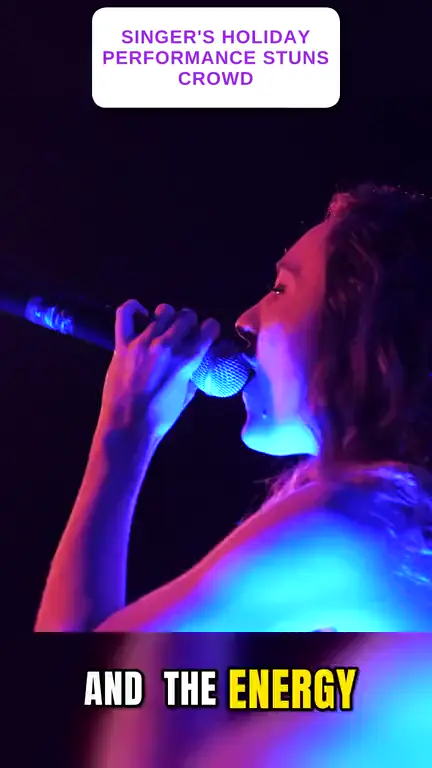
Paste a link to any video — WowReveal writes the story, voices it and adds captions, a headline and music. Ready for Reels, Shorts and TikTok.

No link? Upload a file
- 30 free credits
- No card needed
- Voiceover in 9 languages
- Failed jobs refunded