What Is a Story Voiceover Short? Definition, Length and Example
A story voiceover short is a vertical video where an off-screen narrator tells a complete story. Here's the definition, the three parts, typical lengths and a 30-second example.
In this article
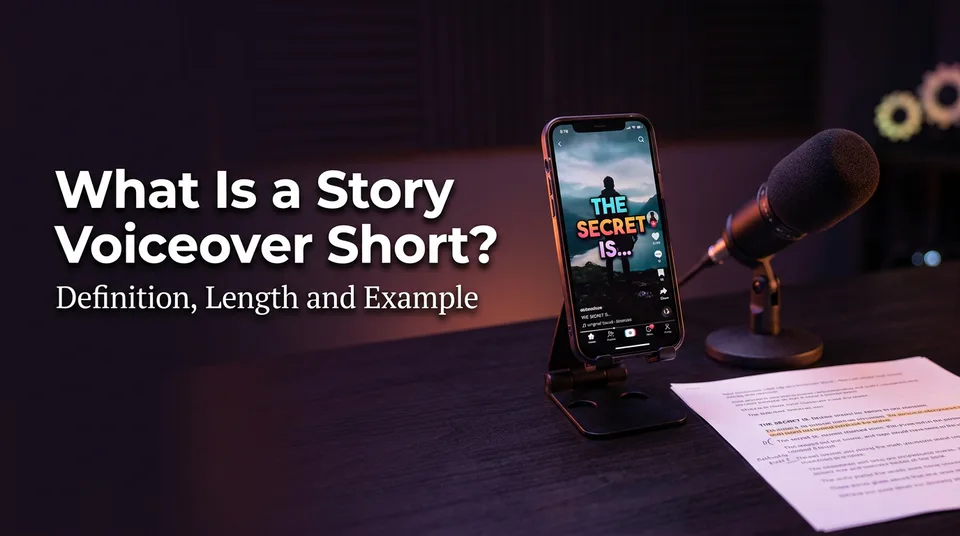
A story voiceover short is a short vertical video (usually under about 60 seconds) in which an off-screen narrator tells a complete story over supporting visuals, with the narration carrying the plot rather than on-camera speech. You'll also see it called a narrated short video or a story time short. "Story voiceover video" means the same thing.
Key points
- The narrator is heard, not seen. The voice carries the plot.
- Three parts make the format: narration, visuals and animated captions.
- A common working range is 20-60 seconds in 9:16.
- It tells a whole story (hook, turn, payoff), not a running comment on a clip.
- The voice can be recorded by a person or made with AI voiceover, in different languages.
Story voiceover short: the definition
A voiceover is a voice you hear over the picture while the speaker stays off screen. In this format, that voice is the storyteller. Mute the video and the pictures alone shouldn't explain what happened.
That's the test we use. If the visuals tell the story and the voice just decorates, it's a different format.
The three parts of the format
A story voiceover short is built from narration, visuals and captions, with music as an optional extra.
Narration
Narration is the spoken story, read by a human or generated as text-to-speech. Write short sentences with one idea each. Read slightly slower than normal speech. Put the surprising word at the end of the line.
Visuals
Visuals are footage, still images or AI-generated scenes that match what the voice says. Change the picture every 2-4 seconds. Whatever you use should be original or clearly transformed, because originality rules apply.
Captions and sound
Animated captions put the words on screen, which matters because many people scroll with sound off. Music sits low under the voice, never over it.
Story voiceover vs. plain voiceover vs. talking head
A voiceover is a device, narration is storytelling, and a talking head video shows the speaker on camera. A plain voiceover can be a tutorial or an ad. A story voiceover short always has a plot.
Commentary clips are the trap. They lay a voice over someone else's footage and react to it. We've watched pages lose reach when the only original thing in the video was the voice.
Typical length on Reels, Shorts and TikTok
Most story voiceover shorts work at roughly 20-60 seconds on Facebook Reels, YouTube Shorts, TikTok and Instagram Reels. That's a working range, not a rule. Platform maximums are longer and they change, so check the current limits in YouTube Help on creating Shorts and each platform's own help pages.
Shorter stories tend to hold attention better. Cut until the turn still lands.
Example: a 30-second story voiceover structure
A 30-second story voiceover splits into four beats: hook, setup, turn and payoff.
- 0-3s, hook: one line that raises a question. "She waited 11 years for this letter."
- 3-10s, setup: who, where, what's at stake, in two or three short sentences.
- 10-22s, turn: the moment everything changes. This is the longest beat.
- 22-30s, payoff and closing line: the outcome, then one last sentence that sticks.
Captions run the whole way through. That's also how to narrate a story properly: one beat, one breath, no filler.
How these shorts are made today
To do a voiceover on a story, you write the script, record or generate the voice, add matching visuals and captions, then export at 9:16. Recording yourself works. It's also slow, and it's hard if you're not confident in English.
AI voiceover removes the recording step. WowReveal, for one, writes a story from a pasted link or uploaded video, voices it in 9 languages, and adds animated captions, music and a cover. Still read the script yourself. Facts and originality stay your job.
Where to go next
Next, learn structure and pacing, then check the rules for AI story videos. Facebook content monetization and the YouTube Partner Program decide eligibility, and their rules can change. Nothing here promises earnings.
Where to go next
- What Is AI Voiceover? Definition and How It Works — defines the voice part of the format.
- Story Voiceover Shorts: Structure, Voice and Pacing — the next step: how to structure and pace the format.
- Story Structure for 30-Second Shorts: Hook, Turn, Payoff — expands the sample structure above.
- AI Story Video Generator: How to Turn a Story into a Short — a practical path from story to finished short.
- AI-Generated Scenes for Shorts: A Step-by-Step Workflow Without Footage — visuals when you have no footage.
- Are AI Story Videos Allowed on Facebook and YouTube? — the rules question most newcomers ask next.
- AI Story Shorts: The Idea-to-Reel Production System — the full production workflow.
- AI Short Video Creation for Reels and Shorts: The Complete Guide — the pillar guide for the wider topic.
Generate your reel right now
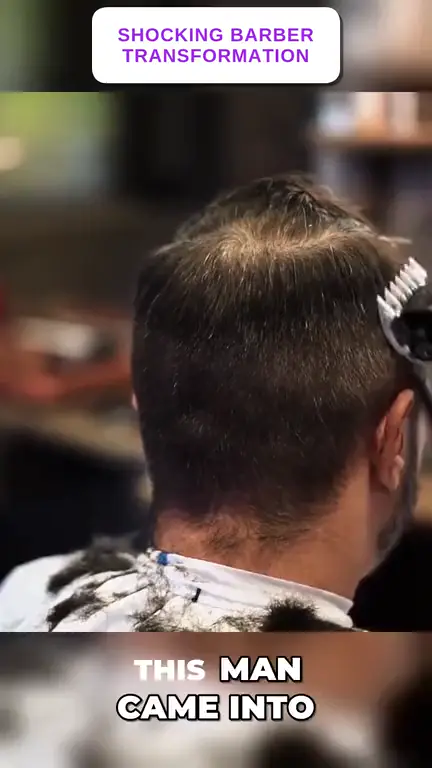
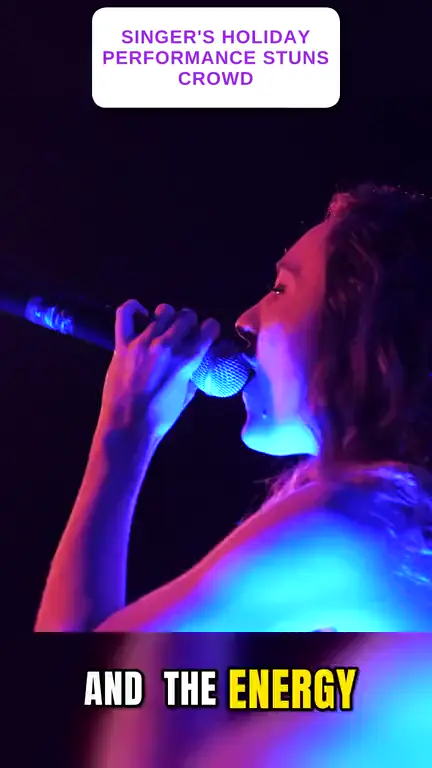
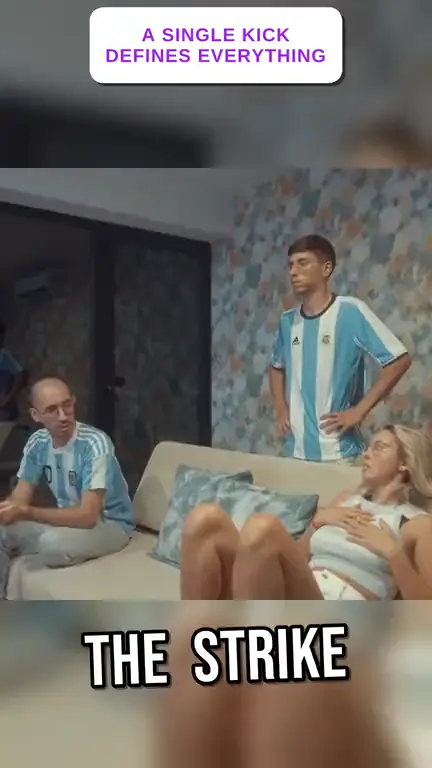
Paste a link to any video — WowReveal writes the story, voices it and adds captions, a headline and music. Ready for Reels, Shorts and TikTok.
No link? Upload a file
- 30 free credits
- No card needed
- Voiceover in 9 languages
- Failed jobs refunded